Showing posts with label Lakefront Brewing. Show all posts

08 February, 2021

What's In a Beer Name Anyway?

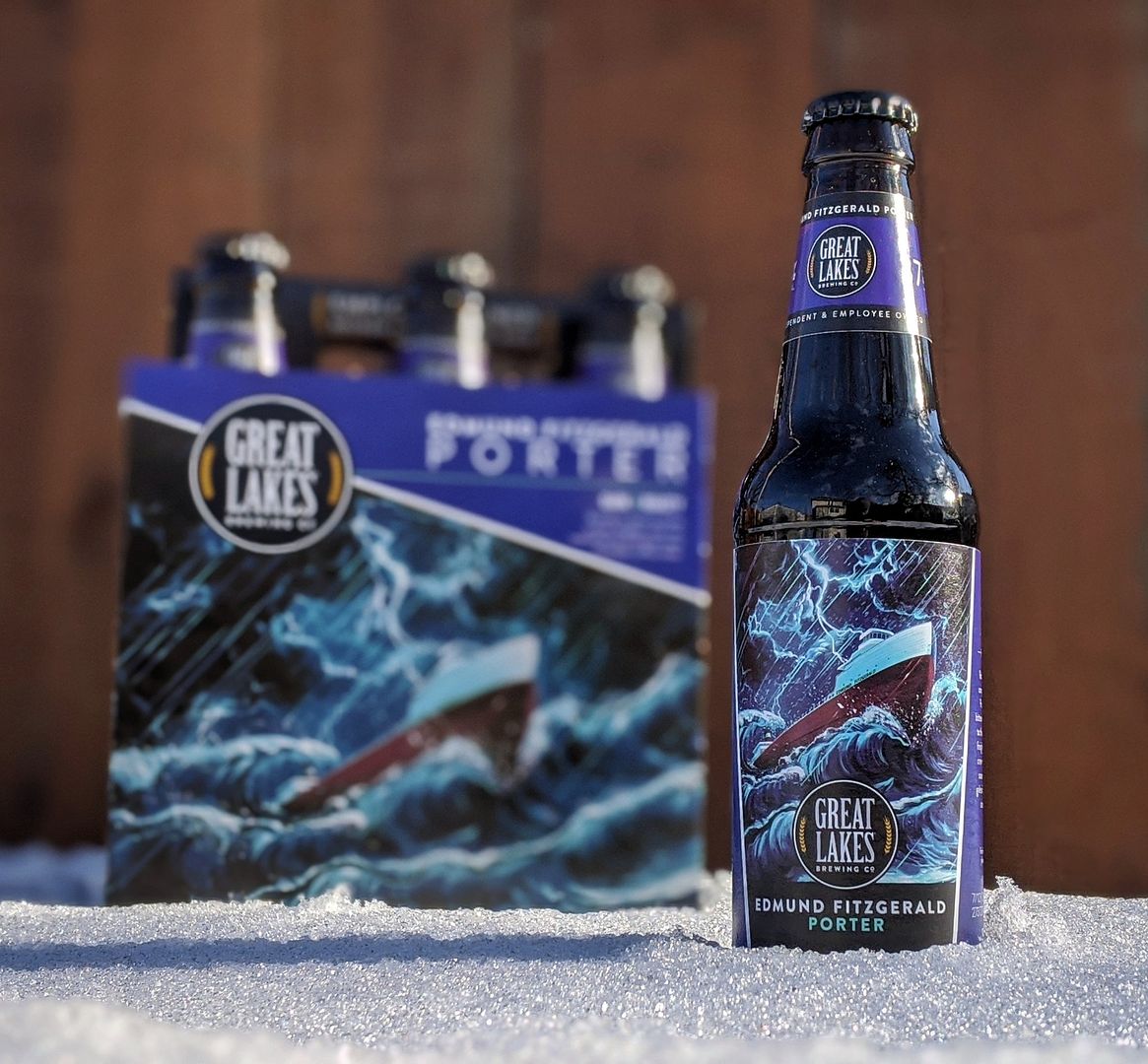
I recently came across the new label design for Great Lakes Brewing Company's Edmund Fitzgerald Porter. In contrast to the previous one, the picture looks more foreboding, more perilous, which it certainly was for the ship and its crew on that day in 1975 when it sank. Regardless of the label's exact appearance, I have always appreciated the Great Lakes/Upper Midwestern reference. Our world is becoming increasingly homogeneous and I appreciate things that are local and idiosyncratic - reflective of the place from which they originate, even if it's something simple like a beer name or label. Those of us in the middle of the country do not need to follow each and every trend from the coasts.

Great Lakes Brewing took a regional outlook when naming their porter. The Edmund Fitzgerald went down in Lake Superior in either Michigan or Canadian waters, I cannot recall which, not in Lake Erie on Cleveland's north side. Nonetheless, seeing the label got me thinking about beer labels that celebrate place, that do a little something to illustrate the ortgeist of the brewery's community. 

I suspect that I initially noticed this kind of thing several years ago with Goose Island before they were absorbed by the A-B InBev Borg. They offered 312 Urban Wheat and Green Line Pale Ale.
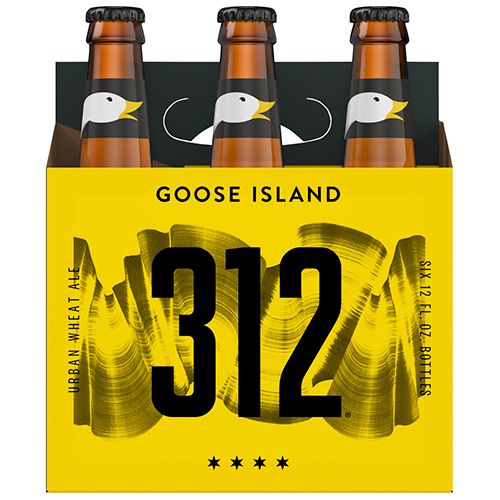
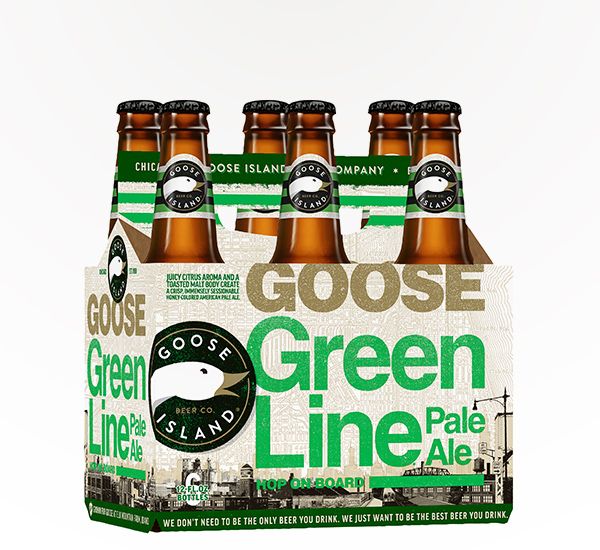
312 is the area code for downtown Chicago while Green Line is one of the L train lines which apparently ran near the original Goose Island location. 

As for Wisconsin labels, it seems that many a brewery draws on imagery from the state. Northwoods Brewpub has, for example, Wall-I-PA named after the fish popular in northern parts of the state, although it is found in the northern part of the U.S. generally. New Glarus has the ubiquitous Spotted Cow, Back 40, Uff Da, and probably others. However, I don't believe New Glarus has ever had a beer named after something or someone from New Glarus and I am unaware of any Northwoods brews that owe their names to Osseo or its previous home, Eau Claire. Of breweries that take that kind of hyperlocal naming to heart, Milwaukee Brewing Company is first to my mind. Well, perhaps not their labels exclusively, but also their packaging.

For instance there was Increase Wheat.
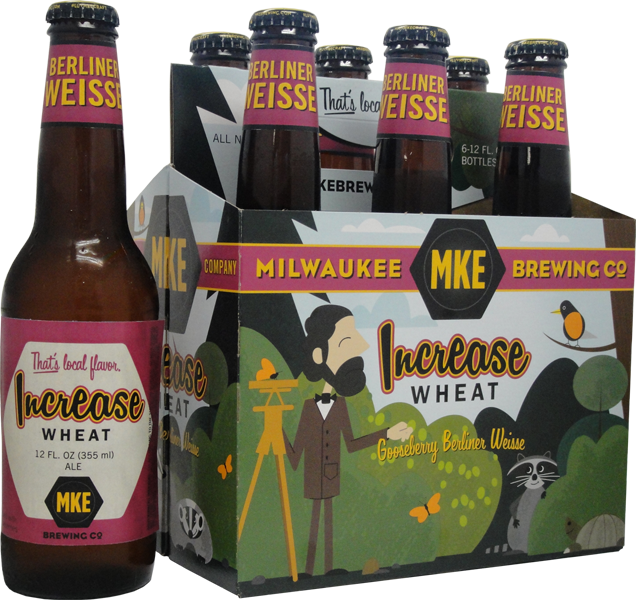

It was named after Increase Lapham who moved to Milwaukee in 1836 and cataloged the plants in the area and the shells he found on the shores of Lake Michigan. He founded the Wisconsin Natural History Association and was Chief Geologist of the State of Wisconsin for a time.

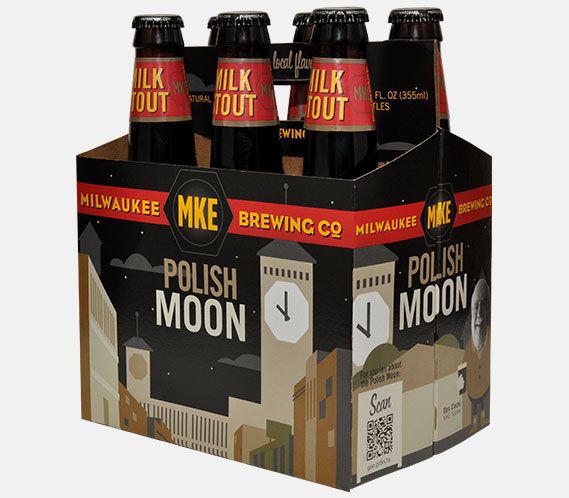
Another one of their beers that comes readily to mind is their milk stout, Polish Moon, which is the nickname of the Allen-Bradley clock tower on Milwaukee's south side which was heavily Polish.

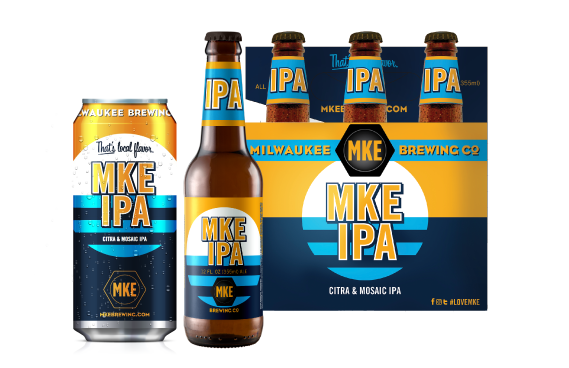
More recently the design for MKE IPA feature the "People's Flag of Milwaukee", presumably a response to the city's official flag which is rather busy and gaudy.

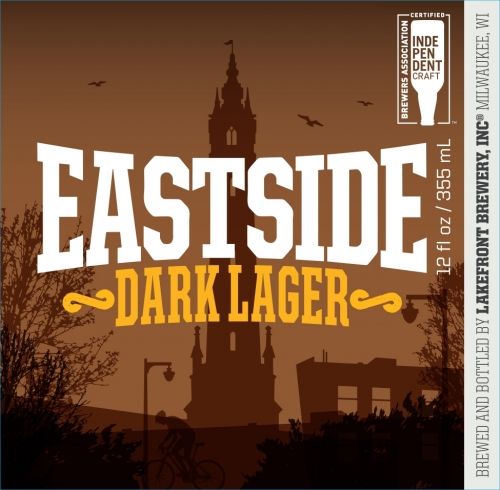
Also from Milwaukee is Lakefront's Eastside Dark which features the gothic stylings of the North Point Water Tower.

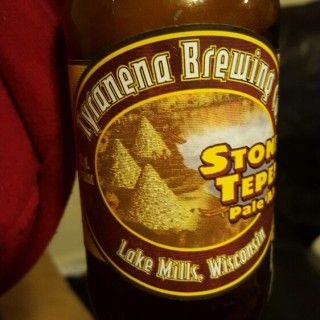
A bit west of Milwaukee in Lake Mills is the Tyranena Brewing Company. They do a good job of reflecting Wisconsin in their beer names and labels. But they also aren't afraid to showcase the Lake Mills area. For instance, there was Stone Teepee Pale Ale whose label featured the supposed stone pyramids in Rock Lake which is on the west side of town.

The Madison area doesn't seem to exactly have a surfeit of beers with names that relate to it. We do, however, have Ale Asylum's Madtown Nut Brown.
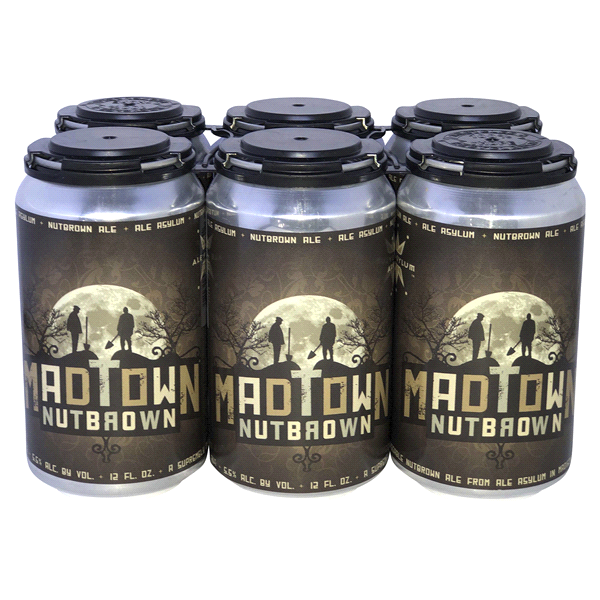
Now why Burke and Hare seem to be on the label is beyond me. Or is there some Madison lore depicted on it of which I am unaware?

Wisconsin Brewing has Badger Club, which is named after the official state animal, and Boom Run, a nod to the lumber industry - up north. Capital Brewery has Supper Club in honor of the state's unique culinary establishment.

On the other hand, Great Dane's German Pils was, I believe, once known as Verrückte Stadt, i.e. - Mad Town. Peck's Pilsner is named after the proprietor of Madison's first public house, Rosaline Peck. Rockhound Brewing (R.I.P.) had Greenbush Pale Ale, named after the neighborhood they resided in.

The Madison area's four lakes, State Street, the "lost city" of Lake Forest, flamingos, Frank Lloyd Wright**, the Capitol, et al provide plenty of fodder for beer monikers. But Madison area breweries generally eschew the local when it comes to beer names and labeling. Or is there some kind of Babcock beer with lactose that I've simply never seen? A hibiscus brew with pink flamingos on the label that has escaped me? Am I completely missing beer upon beer named after local places and people?

**My understanding is that Madison's House of Brews (R.I.P.) tried to use something FLW-related in a beer name and discovered his family was not keen on this.

18 May, 2016

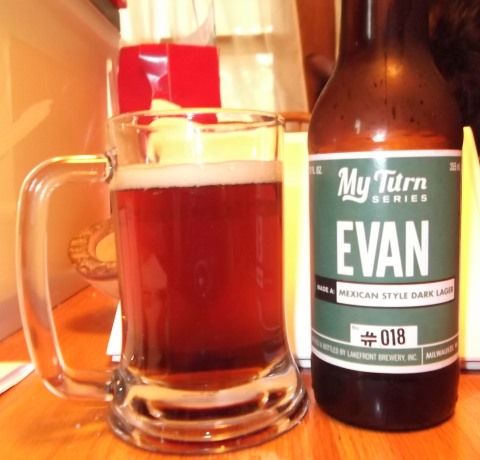
Just In Time For Your Aestival Beer Needs: Evan by Lakefront Brewing


Evan has arrived just in time for summer. Milwaukee's Lakefront Brewery introduced its My Turn series in the autumn of 2011. For My Turn brewery employees choose a style to brew or to have brewed on their behalf and this has resulted in some very tasty beers since then. Luther is one of my favorites and not just of the My Turn series. It was a fantastic brew that stands as one of my all-time faves. In this case, the eponymous employee is a third-shift brewer and he chose to make a Mexican-style dark lager.

There is nothing quite like a cold, crisp cerveza while lying around on a Mexican beach. That there is no shortage of cold lagers from Mexico is due in no small part to waves of German immigrants who went to Mexico in the latter half of the 19th century and brought their brewing traditions with them. (These immigrants also brought accordions and so we have music such as tejano and conjunto.) I tend to think of Mexican cervezas – the macro varieties, anyway – as being light and somewhat watery. I don't mean this disparagingly because I drank many a Tecate when I was in Mexico and think that Negra Modelo is pretty tasty regardless of where I may be.

I wonder if this tendency towards lighter-bodied beer is strictly the result of Mexico's climate or perhaps other reasons are at play such as ingredient availability or Mexican brewing laws. There is surely also a thesis paper in there somewhere: the influence of German immigrants upon the Mexican vs. American brewing industries.

In order to simulate drinking a cerveza in the Mexican sun, I did some work around the house which consisted mostly of packing and moving boxes around since it was relatively cool outside.

Evan pours a lovely clear copper. I was relieved to get only a small (maybe ¼ inch) light tan head after that wildly over-carbonated bottle of Bear Bare. It went away rather quickly while there was a fair amount of bubbles inside the cerveza going upwards.

The first thing I caught on the aroma was moderately sweet chocolate. This was followed by a little caramel as well as some grassy hops. Everything here was pretty mild and I couldn't smell anything with the glass a foot from my nose as I had been able to with some of the pilsners that I have had as of late.

Taking a sip I found that the cerveza had a light body and a nice bit of fizziness but one which wouldn't attack my tongue with carbonic acid. There was chocolate here which was joined by the caramel from the aroma. But the taste also mixed in a more bread-like roasted grain flavor which made for a nice contrast with the sweeter malt flavors. Mt. Hood hops added a faint grassy taste in the background.

On the finish all the malt flavors faded to a pleasantly restrained hoppiness. There was some grass as on the taste but there was also a stronger spiciness which threw a gentle bitterness into the mix and pushed the ending towards the dry side. My glass was left with some nice lacing in the form of goodly-sized patches all around.

I managed to work up a little sweat lugging boxes of books around and Evan really hit the spot afterwards. As I expected, it was light and refreshing. I really enjoyed how the sweeter malt tastes were contrasted with the more savory ones. There are no bold declarations of taste here and Evan is a sessionable 4.5% A.B.V. While everything is on the mild side with this cerveza, it still has enough flavor to keep things interesting as you quench your thirst.

Junk food pairing: Frito Lay, Kettle, and Miss Vickie's all have fine jalapeno potato chips to pair with Evan. For something a little bolder, try Late July's Bacon Habanero Tortilla Chips.

01 September, 2015

Beera Incognita: Pilo by Lakefront Brewery


I seem to have hit the brews from last summer section of my stash of beer that lies on my basement floor.

Pilo (pee-low? pie-low?) was the ninth release in Lakefront's My Turn series in which employees of the brewery get to design the beer they've been pining for. Chris Pilo is, as near as I can determine, the Production Control & Safety Coordinator at Lakefront and it was his desire to have an imperial pilsner. And so it was done. Pilo came out some time last summer.

I kept the bottle in my basement so it remained fairly cool and out of the direct path of the skunk-inducing rays of that refulgent orb in the sky. Considering the storage conditions and the beer's potency, it is an imperial beer, after all, I didn't expect the flavor to have degraded that much.

My photo isn't too bad this time around so you can see that Pilo pours a light gold color and was a little bit cloudy. My pour resulted in a nice fluffy white head, though it didn't last very long. There were lots of bubbles going up the glass.

My Pilo didn't have a whole lot going for it on the nose. I caught a citrus smell as well as waves of amber grain aroma. The citrus surprised me and I wasn't sure if some West Coast aromatic hops were used or whether my nose had gone awry because I was expecting more of a Noble hop aroma to be present. I don't consider this to be a defect as the beer was not fresh and pilsners deserve more love than I was able to give to Pilo.

The expected hoppiness ended up on my tongue rather than in my nose. There was a distinct spicy hoppiness to go along with the grainy flavor and a syrupy sweetness that tasted of bread dough and apricot. All those bubbles in the glass added plenty of fizziness and a hint of dryness too. The sweetness gave the beer a medium-heavy body. While the requisite hop flavor was present, there just wasn't enough to cut through the rather thick sweetness. Again, I cannot say if the beer was brewed with less hop flavor than I expected or if it had faded with age.

Pilo finished dry with a lasting herbal hop bitterness. My glass was patterned with a goodly amount of Schaumhaftvermoegen.

It is difficult to judge Pilo because of the age of my bottle and my ignorance of the imperial pilsner style. An imperial German pils? Or a Bohemian? Or another version of the pilsner? On the other hand I would expect a pils of the imperial variety to simply have had more hop flavor. Pilo had the hoppiness of a normal German pilsner, by my tongue, so there should have been more of that spicy bitterness. My guess is that this had a lot to do with age so I am not counting this as a strike against the brew.

More difficult for me is the extreme malty sweetness. A pilsner, to my mind, should have malt flavors that are cracker-like and biscuity instead of doughy and sweet. Pilo tastes clean in the sense that there aren't any fruity esters but it just doesn't have that sharp, crisp flavor going. I can't honestly say that I've had any imperial pilsners before. I may have but I can't recall them so I'm in beera incognita here. I would expect an imperial pilsner to have some malt sweetness but here is just seems to be a bit overly abundant even when considering the beer's age. It was more like a well-hopped Märzen than a pilsner.

Pilo is a big beer at 8% A.B.V. yet it hides the alcohol well. I didn't get a burn as one might expect. Perhaps I was just too occupied with the abundant malt sweetness and relative paucity of hop bitterness. Regardless, I enjoyed Pilo. It could have used a bit more hoppiness but I'd bet that it would have been there a year ago. And the malt sweetness wasn't cloying as there was still some hops to be had and plenty of carbonation too. Not an ideal summer thirst quencher but it hit the spot as I sipped it out on my porch.

Junk food pairing: If you have any Pilo at your disposal then drink it now and pair it with something spicy like Snyder's Hot Buffalo Wing Pretzel Pieces or a bag of Flamin Hot Cheetos. Let all the fizz and booze wash the spice away.

22 July, 2015

The Feng Shui of Beer: Lakefront's Cherry Lager


Spring is apparently the season for cherry beers. First I tried Victory’s wunderbar Kirsch Gose and now we have Lakefront’s Cherry. Cherry is one of Lakefront’s seasonals and I believe it is their late spring offering following Lent and the brewery’s Shrovetide maibock.

Lakefront is one of the grandfathers of Wisconsin microbreweries. The venerable brewery started in 1987 just after Capital and Sprecher but it’s only been in the past several years that growth has really taken off. They innovated by brewing a gluten-free beer, New Grist, and have more recently taken the plunge into the IPA waters. Plus Lakefront simply brews some really tasty annuals with their Riverwest Stein Beer, an amber lager, being a fairly common sight on taps in Madison.

Most of the brewery's year-round beers are now ales but most of their seasonals, including Cherry, are lagers. Cherry, then is at once a nod to the German brewing traditions of Milwaukee as well as a novel pairing of beer and fruit. I suspect that most beer drinkers tend to think of Belgian kriek lambics when it comes to cherry brews and not German-style lagers. (Although German brewing traditions once included the Kirschenbier, which was apparently similar to a kriek.)

Cherry, as you can see from the photo above, is a pretty reddish brown. I got a nice pink head on my pour but it didn't last long. It was also rather effervescent as there were lots of bubbles heading upwards and onwards.

The brew's bouquet was as nice as it looked with a bready, malty sweetness and the scent of tart cherries being most prominent. I also caught a more general fruity aroma that was redolent of stone fruit. The beer's flavor mirrored the nose with the succulent sour cherry flavor from the Wisconsin Montmorency cherries hitting your tongue first. Hot on these fruity heels was the fine grainy flavor that tasted less sweet than its aroma. It was a bit like toast and reminiscent of melanoidins or whatever you call those wonderful malt flavors you get from Malliard reactions.

Cherry finished with a nice lingering cherry tartness plus a bit of spicy hop (Mt. Hood?) flavor.

Truth be told, I thoroughly enjoyed this beer. It has a fantastic fresh tart cherry flavor which is complemented by a malt-grain flavor that isn't too sweet and just a touch of hop bitterness for good measure. All of the flavors are in harmony here as if it were brewed according to feng shui. (Perhaps Lakefront's tanks point north to Door County.) I'm not sure what kind of malt or malts were used in this beer but I loved their toasty flavor. I wish more American brewers would use melanoidin-rich malts or decoct or do whatever it takes to get these flavors.

Cherry's medium body and 6% A.B.V. make for a nice spring beer – some succor for those final cool days before the summer heat descends.

Junk food pairing: Raise a glass of Cherry along with some pork rinds and/or smoked string cheese.

04 May, 2015

Getting Better With Age: Terrance by Lakefront Brewing


Lakefront's My Turn series began in 2011. These limited edition beers showcase the potatory predilections of the brewery's employees and not just those who specialize in zymurgy. Front office folks also get to proclaim their tastes.

Terrance came out in 2013, if memory serves, and is a Kölsch. Sadly, I recall bottles of it languishing on the shelves of Jenifer Street Market. Apparently most Madison microbrew drinkers are like Madison Craft Beer Week co-founder Jeff Glazer who craves "weird or exciting or creative" brews. If it's not laced with an exorbitant amount of hops, isn't soured with bacteria from the brewmasater's toilet, or isn't aged in a Malort barrel, well, why bother? On the other hand, this left plenty for me and perhaps a few others who don't prize novelty above all else in beer.

The Kölsch is a specialty brew of Köln (Cologne), Germany. The beer we know today goes back to around the turn of the 19th century. Lagering (i.e. – storing the beer in temperatures that approach freezing for a couple of months) was quite hip and trendy at the end of the 19th century time yet Köln was still under the influence of its own Reinheitsbegot laws which outlawed bottom-fermenting beer. Not wanting to miss out on the trend of the day, brewers there used top-fermenting yeast but lagered their beer. The term "Kölsch" (or "Koelsch") is a protected appellation so only beers of this style brewed in the Köln area can rightly use the name. Hence the use of "Kölsch-style" on Terrance and other American iterations.

By all appearances, Terrance adheres to the conventions of the style. It is clear and straw-colored and looked mighty fine in my stange. Kölsches are supposed to be well-carbonated and my pour had lots of bubbles making their way up to a nice, fluffy white head. The beer had a slightly fruity aroma with yeast and bread smells also being prominent.

Like the color, the Kölsch is supposed to be light-bodied and Terrance hits the mark. It had the perfect biscuit/cracker flavor from the pale malts that was just slightly sweet but there was also a vaguely berry-like fruitiness to it, a flavor derived from the yeast. Hops were faint here but I could taste a subtle Noble spiciness underneath everything. The carbonation gave my tongue a little zing as well. That spicy hoppiness returns in the finish and made it fairly dry.

My glass was decorated with an abundance of Schaumhaftvermoegen.

As I noted above, Terrance was released in 2013 which means that the bottle reviewed here has been sitting in my cellar for a stretch. I recall drinking this beer fresh, however, and I think that it has improved greatly with age. Back in 2013 Terrance had a heavier mouthfeel with a bit more sweetness and it tasted more of dough than my preferred clean, biscuit flavor. The doughy taste seems very common in Wisconsin Kölsches with Point's Three Kings Ale, Leinenkugel's Canoe Paddler, Sand Creek's Groovy Brew, House of Brews' Prairie Rye, and the new Parched Eagle's Golden Ale all having this taste. Exceptions to this rule include Big Bay's Wavehopper and Vintage's Sister Golden Ale (the reformulated one). Not knowing exactly how all of these beers are brewed, I will say from my little experiment here that, generally speaking, more lagering seems to be needed for Kölsches.

My aged Terrance was extremely tasty. It had a clean taste in which the fruity flavors from the yeast and the biscuity ones from the malt are allowed to come to the fore. The hops were subdued and I wouldn't have minded just a bit more of them. Terrance's 4.2% A.B.V. paired with its crisp flavor makes for a fine brew on a hot day.

Junk food pairing: The Kölsch style is all about subtlety and so I recommend a junk food on the mild side. Pair (aged) Terrance with Monterey Jack Cheez Its.

01 February, 2013

Lakefront's Luther


Luther is the latest in Lakefront's My Turn series which sees every employee of the brewery "design" their own beer. This is the third such brew and is named after Lakefront's head brewer Mark Paul whose nickname, it appears, is Luther. (You can read a profile of him at the Milwaukee Journal Sentinel.)

The beer is a helles rauchbier lager, i.e. - a pale lager with some smoked malt in the grain bill. Rauchbiers don't get much love. I find it odd that so many craft beer drinkers will wait in line for hours to get a sour beer that tastes like my shoes smell or descend into fits of ecstasy as they worship their god Lupulus with 100IBU beer running down their chins yet they recoil in horror in the mere presence of a rauchbier, as if they had just been offered a chunk of uranium. For instance, both of Madison's most prominent beer reviewers, Robin Shepard at Isthmus and Chris Drosner at 77 Square, have professed a distaste for rauchbier. (Imagine one of them confessing that he didn't like C-hops...) Too bad. I guess Bamberg won't be seeing them as tourists. To each their own, I guess.

Well, onto Luther.

He pours a clear deep yellow (Which you, unfortunately, can't see in the photo.) and gives a nice frothy head. (Which is also unavailable in the picture.) There were a few stray bubbles making their way up. As for the aroma, I must warn you that I have the sniffles so my accuracy is not 100% here. My caveat aside, Luther smells very sweet - like corn - at first and then the scent of smoke - think smoked meat - wafts in.

Most of my experience with rauchbiers comes from drinking Schlenkerla's brews. However, I've not had their Helles Schlenkerla Lager, although I have one in my cellar. Thusly I am used to smoked beers that have a fairly thick mouthfeel. Luther, on the other hand, is smooth and effervescent. I didn't get that "Ooh! I'm drinking the beer equivalent of motor oil." sensation at all. (Not that I dislike a viscous mouthfeel, mind you.)

The first thing I tasted was malt sweetness. Here it was was more like corn than bread. Then the smoke hits your tongue. The rauch in this rauchbier is prominent but not as much as in, say, a Schlenkerla Rauchbier Märzen. While there isn't a lot of hop flavor here, Luther put just enough in it to cut through the smoke and be a recognizable flavor which is especially noticeable in the finish which is nice'n'dry. Luther comes in bombers only and I drank this one alone. As the bier gets warmer, the sweetness really comes through. As with all rauchbiers, one's tongue becomes anesthetized to the smoke flavor and it takes a subsidiary role. Once it has warmed up a bit, Luther takes on a bock-like quality.

This is an excellent beer. The smoke is not overpowering so the malt and hops each get their turn. What begins with a heady rush of sweetness and smoke ends in a pas de trois led by a pleasant spicy-dry finish. It's a shame that Luther is a limited edition beer that is not slated to return. Ever. Hey Wisconsin brewers - how about more rauchbiers?

Junk food pairing: Enjoy handfuls of Vegetable Thins or similar vegetable crackers with your glass of Luther. I will also note that this beer went very well with grilled turkey, cheddar, and bacon sandwiches.