Showing posts with label Schell Brewing. Show all posts

12 June, 2025

Late spring brews

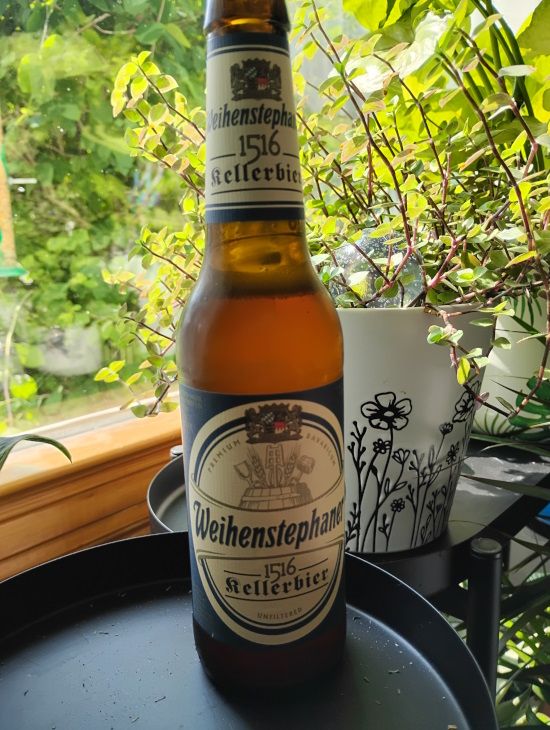
As the weather has gotten warmer, my beer choices have gotten heller.

It's been a long time since I've had Schell's. It seems like there are only a couple varieties on shelves here in Madison these days, unfortunately. But I'll take what I can get.

The folks at Weihenstephaner must decoct this stuff 3 or 4 times because it is Maillard Himmel. Simply delicious! I can only image how much more tasty it must be fresh from the Keller. 

23 February, 2024

East Side Club Bockfest '24

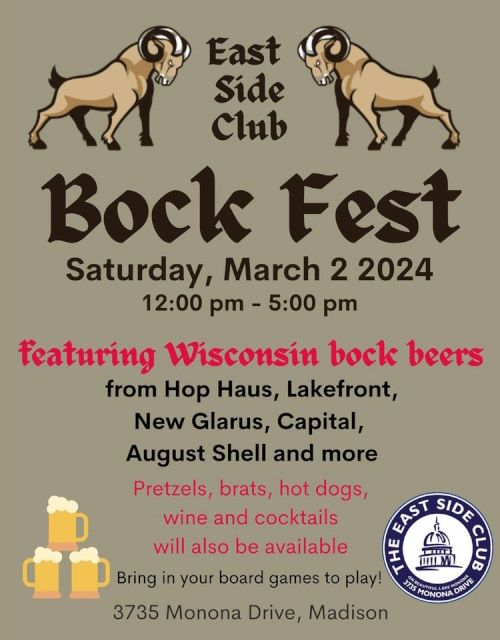
The East Side Club's Bock Fest is set for 2 March.

 
Despite August Schell being from Wisconsin, I hope to be able to sample their bock(s?) there.

15 March, 2022

The Corona Diaries Vol 43: Sauntering Through the Woods

(Go the this entry's introduction.)

(late November 2021)

I went to the woods because I wished to move perambulatively.

When you last read about me, I was at the trailhead at the Chippewa Moraine State Recreation Area. The rain, which had plagued me since the previous evening, had now become a mist. I went left at the T intersection for no particular reason and was soon descending a moderately tall hill surrounded mainly by barren trees.

Not to get overly transcendental, but it felt wonderful to be in the woods again. It amazes me how quickly my mind was able to put aside thoughts of unfinished projects at work, chores at home left undone, and other such distractions and instead focus on the beauty of the forest around me, the changing smells as I meandered deeper into the woods, and the unseen squirrels scampering on either side.

I wandered lonely as a cloud
That floats on high o'er moraines and hummocks


The path was lined mainly with oak leaves although there were stretches here and there that had some from a maple strewn about. Sometimes I would see leaves that I couldn't identify. I soon discovered that much of the trail wound its way between the many kettle lakes in the area, that is, lakes formed as glaciers retreated. There were land bridges as well as man-made ones.


Although I could have done with more sunlight, it was simply gorgeous out there. The stillness, the quiet – just fantastic.

The Germans have a word – Waldeinsamkeit – which refers to experiencing the sublime or something spiritual when you're alone in the woods. If it can be said that I experienced it on this walk, it was when I stepped down from the path into this little swampy area on the shore of one of the lakes.


The stillness, the water, being surrounded by saplings – it was, dare I say, sublime. I stood there for a little while just taking in the natural majesty of my surroundings.

At some point it occurred to me that I was slowly sinking and had better extract myself from the mud before I couldn't do so and some poor DNR ranger had to pull my corpse from the muck.

The trail is 4.5 miles long so I had plenty of time for reflection. While sauntering along, I suddenly recalled Jason's comment about the bear attack and started being a bit more vigilant. I needn't have worried, though, as I saw no bears. No deer either. And barely any birds. The wildlife was smart enough not to go hang out in the rain, unlike the human.

I did see evidence of the local fauna, however. Beaver!


I immediately thought of the song "Release the Beavers" by Kansas.

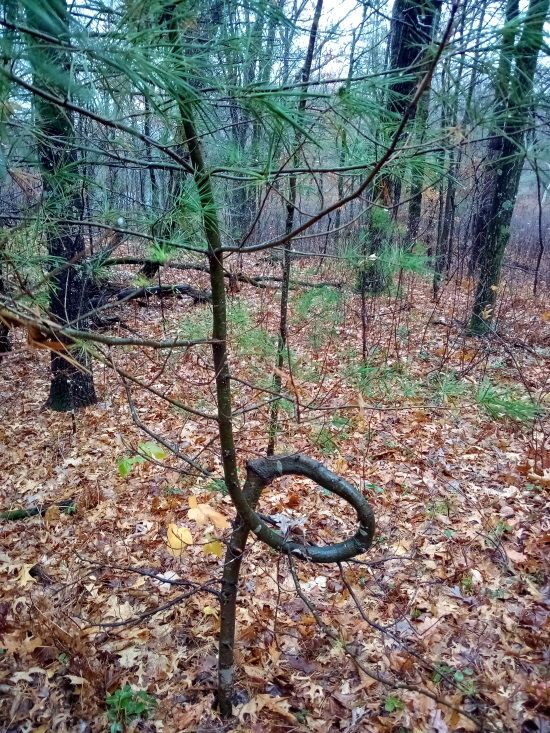
I wondered how this tree ended up growing like this.


After about 2.5 hours I was back at the top of that hill standing before the interpretive center. I felt really good. A bit wet & chilly, a bit exhausted yet energetic and sated.

Despite feeling good, I went inside where there was heat. As I warmed up and dried off, I chatted with the staff for a bit. A new t-shirt was added to my wardrobe as well. It is an Ice Age Trail shirt with textured footprints on the chest. Some or all of the recreation area's trails are part of the Ice Age trail, 1,000+ miles of scenic trail that run along what was the edge of the last glacier to grace Wisconsin before it went into retreat.


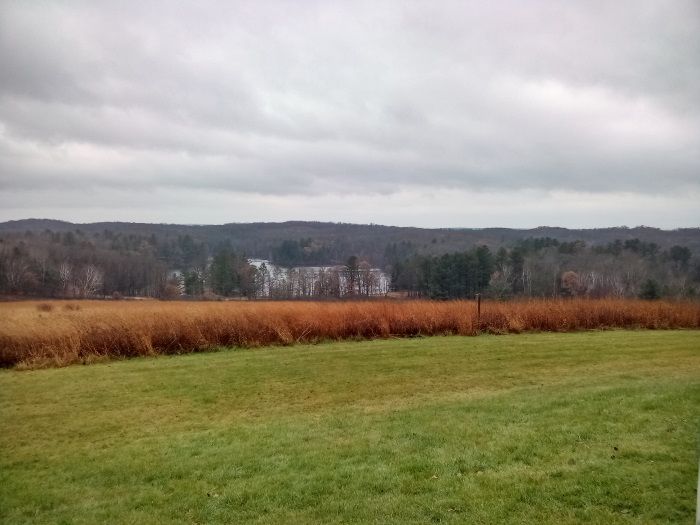
A few last photos of the magnificent view from the hill and I was again heading north.

Not far up the road was Chetek where a hotel room awaited. After checking in, I found myself to be quite hungry so I drove over to Norm's Open Kitchen. After being seated, the locals there, who were all older folks, glanced over at the stranger briefly before returning to their meals and/or interlocutors. I looked around and noticed that the salad bar was closed for the season. (?!) My guess is that it's only available when there are tourists around. I take it that it is not particularly popular with the locals.

I ordered pot roast and mashed potatoes. The photo of my dinner turned out to be wildly out of focus so no gratuitous pictures of food. Aside from needing salt, it was tasty. The potatoes were lumpy, as is my preference, and the gravy tied everything together. A fine, hearty meal which was just what I needed after my hike. Getting into my car, I noticed my legs starting to feel sore and so it was off to the liquor store for some muscle relaxant. This came in the form of Oat Starkbier from our brewing neighbors in Minnesota, Schell.


Starkbier simply means "strong beer" in German and, if memory serves, the term was used for tax purposes in a taxation system no longer used in Germany. I think it went away shortly after reunification. The oats added a nice smoothness to the beer while the hops gave it a bracing bitterness. And the alcohol took away most of the ache.
 
A few flakes of snow were falling as the sun set and I settled in for the night. Just as I'd put my feet up and began to feel that warm alcohol glow, it then occurred to me that I had forgotten to stop at the Chetek Bakery to see if I could find a loaf of Swedish limpa bread. Limpa is a rye bread with caraway, anise, fennel, and orange and reading about it severely intrigued my tastebuds. Ooops.
 
I did a little journaling (on paper!) before deciding to listen to a concert by jazz great Roland Kirk. 


It was a show from Warsaw on 14 October 1967 and all of Kirk's trademark sounds were on display – playing up to 3 saxophones at once, blowing and talking into his flute, and virtuosic performances on his "nose flute".
 

During "
Blues for C&T" Kirk began playing a melody that was familiar but I couldn't place it. I believe he's playing multiple saxophones during that song so there's that drone like a bagpipe and it threw me off. I kept thinking it was a Scottish folk song but, later, I racked my brain and figured out that it was the highly un-Scottish ragtime song "Maple Leaf Rag" by Scott Joplin.

The forecast had possible snow in it. I wouldn't have minded a little but I hoped that we would avoid a blizzard as I settled under the blankets.

********

Bonus photo. Someone in the Marquette neighborhood put a kind of macabre Deliverance display for Halloween. Where you goin' city boy?!


(Head over to this entry's supplement.)

31 December, 2021

Nobody trusts anybody now, and we're all very thirsty: Snowstorm '21 - Oat Starkbier by August Schell Brewing


Back in November I made a trek up north and stopped in at a small-town liquor store which proudly proclaimed that it had a fine selection of craft beers. Maybe the finest in all of Barron County. This seemed ideal for my purposes which were simply to find some kind of boreal beer to help keep the soreness in my legs at bay after a long and strenuous (for an office drone) hike. I don't know if those IPAs on the shelves were meant for Twin Cities/Chicago tourists and were novelties for the locals or if the folks up north are into those beers. For my part, I rolled my eyes at all the hazy juicy thingies. Just not interested.

And so Schell's latest Snowstorm was a very welcome sight. I don't see much Schell's beer down here in Madison these days so it was a bit like running into an old friend. "Snowstorm" is the name of their winter seasonal but the actual style of the beer varies from year to year. Oats seem to be the watchword of the brewery these days as last year's Snowstorm was an oat stout while this year's is an oat Starkbier. In fact, if you pull a Scooby Doo maneuver and peel the label off of a 2021 can, you'll see that it's an oat stout 2020 can underneath. 

Everyone knows what oats are but what is a Starkbier?

I think it's a now-defunct German beer tax category but I am not sure if the term was ever used outside of levying taxes on brewers. It means "strong beer" but, again, I am unclear on just how strong it had to be to be classified as such. Was it equivalent to a bock? Doppelbock?

So, after some internet sleuthing it seems that my memory served me well. Starkbier was indeed a tax category for German bier. My cursory search didn't yield firm results on just how strong it had to be, however. By "strong" here we're talking the OG, i.e. – the amount of malty sugar goodness in the liquid in its pre-beer state. Still, exactly which styles fell under this umbrella remains a mystery. A couple sources here include all bocks while another over there limits it to doppelbocks.

I suppose it's moot as the tax category is long gone and Schell instead uses the term to invoke all the good things that come to mind when you see a German beer word. You know, like the image of some blond guys in Lederhosen gathered around a copper kettle in an orderly manner using precise techniques honed over the centuries in pursuit of brewing perfection within the constrictions of the Purity Law. Or perhaps it's more along the lines of comely blonde women clad in dirndls carrying numerous steins of beer as their generous bosoms threaten to spill out of their costumes.

My can says that Snowstorm has an A.B.V. of 6.1% so we have an oat bock on our hands. Interesting. I don't know that I've ever had one before.

Beer lore tells us that the genesis of the bock goes back several hundred years to Einbeck, Germany. Initially a big, malty ale, it eventually made its way south where Bavarian brewers gave it the lager treatment. This same body of lore purports that the style's name comes from the way Bavarians pronounced the bier's hometown. Instead of a short -e, they said it like "ah" – "ein Bock". "Bock" being the word for billy goat, someone back in the day decided that goats would be standard on the labels of such beers.

I wouldn’t be surprised if any or all of the above is merely a tall tale that's been passed down through the ages. But it sounds good.

Oddly enough, the marketing team at a brewery that has a German name, brews many German styles, and has (or had) the motto "German craft beer" decided to remove the goat from their bock's label. Harumph.


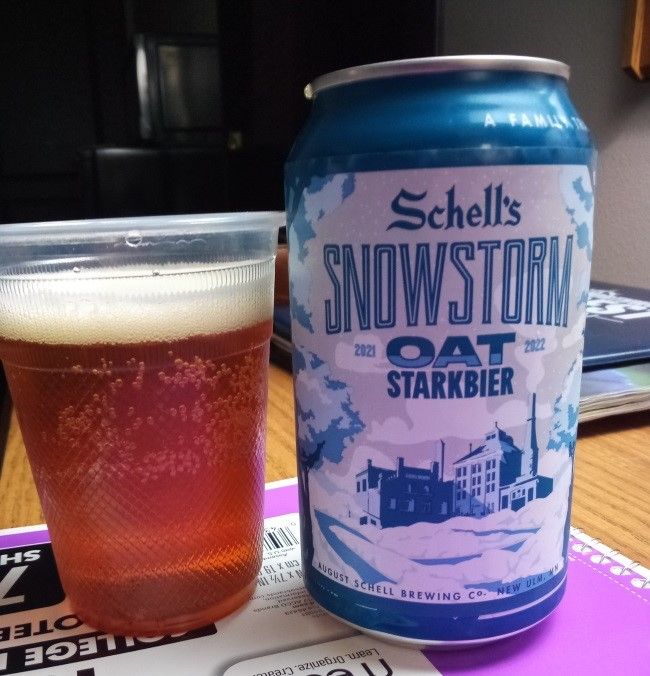
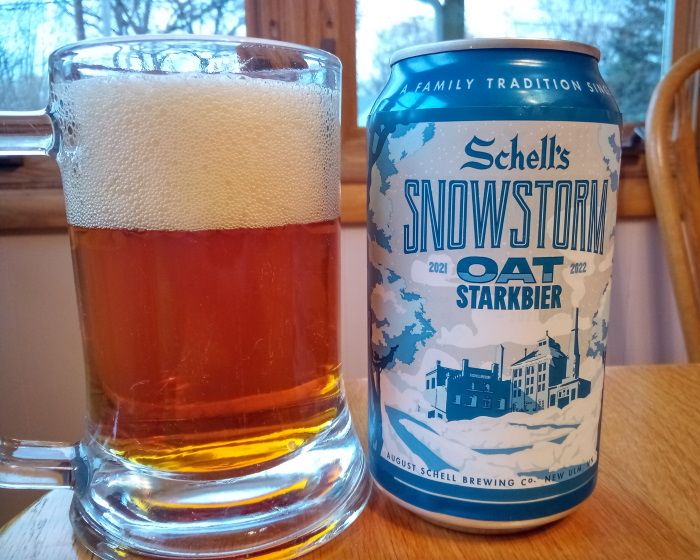
Things started off very well – I mean, just look at it. The beer was a clear, deep amber upon which sat a big, light tan crown of firm foam. I spied a fair number of bubbles inside. Quite pretty. As expected, there were sweet scents – caramel and little honey. There was also the anticipated roasty grain smell. But what I really enjoyed was the hop aroma which was grassy. Those hops gave a really fresh, green aroma. Simply wonderful.

All those bubbles provided a good fizziness that was set against a rich maltiness that provided, as on the nose, caramel, honey, and roasted grain flavors. The oats did their job as a luscious smoothness lurked beneath the bubbles. The malty sweetness faded fast as I swallowed leaving my tongue to wallow in the dryness of some hops that were peppery and grassy. My sips each ended on rather dry note.

Despite a panoply of grains, the beer wasn't as sweet as I thought it would be. I think the fizz and the hops kept those flavors from getting out of hand. In addition, the malt flavor wasn't just sweetness that needed to be tamed. There was, after all, that earthy honey taste as well as the roasted grain flavor so it was a really nice mix on the malt side of things. Dryness prevailed on the finish as the hops provided a bracing contrast to the grains.

While sipping this stuff, I was reminded of one of my favorite winter brews, Winter Skål, from Capital. Oat Starkbier is akin to a bigger, oatier version of that fine beer. I really enjoyed this brew and how the fizz and hops took the grains head-on to produce a crisp contrast.

The final couple months of 2021 were good for bocks that marched to the beat of a different drummer. In addition to this oat-laden version, Wisconsin Brewing Company gave us a wild rice one while Vintage Brewing blessed us again this year with their rye weizenbock, Tippy Toboggan. Perhaps next year someone will use a heritage barley or something out of left field like quinoa.

Junk food pairing: For the true Minnesota experience, bust open a bag of Uffda! Seasoned Salt Lefse Chips to go with your Snowstorm.

01 January, 2017

Cellared: Keller Pils by August Schell Brewing Company


Back when I gushed over reviewed Schell's Chimney Sweep with Cocoa Nibs I noted that it was one of two biers exclusive to the brewery's autumn Prost Pack. You see the other above.

The keller (unfiltered) pils is apparently popular amongst Minnesota brewers as Shell's neighbors to the northeast, Summit, brewed one earlier this year. So it's not the most glamorous variation in the German craft beer pantheon. I highly suspect that it doesn't taste like grapefruit, although I sometimes wonder how long it is before Schell introduces a Huell Melon IPL, and I doubt that exotic ingredients were sourced from all corners of Christendom. But unfiltered lagers have a special place in my heart as I quaffed a few back in the dorm in 1990 and they helped give me a taste for good bier.

Keller Pils poured a fairly bright yellow and was quite hazy. Considering past pouring that produces the most minimal of heads, I lucked out here and managed to produce a big white one. The foam was comprised of small bubbles, was quite firm, and lasted a goodly length of time. Simply lovely. Just like a good pilsner should, there was a surfeit of bubbles in the bier. It was a beauty, eh.

The Prost Pack came out in early autumn, methinks, and I drank my Keller Pils in November. Ergo this wasn't as fresh as can be but I didn't feel a couple months of sitting around in a cooler would do very much harm. Taking a whiff I found myself vindicated as the aroma was still sharp and pungent. The fresh bread scent was heavenly and was adorned by sprightly hops that added grass and a touch of citrus.

I've read the words of drinkers who prefer ales quip that they do so because of their complexity. Lagers are clean, they say. Fair enough. I don't think having a preference for ales is a great character flaw. But I do feel that to dismiss lagers as being like a solid black painting by Frank Stella while ales are equivalent to a colorful Jackson Pollock melange is wrong. While lagering does away with a host of flavors from the yeast, to assert that lagers lack a breadth of flavors is an ill-considered piety. I grant you that there are lagers out there that would do well with a brewmaster who used caramel malt more judiciously, but to cast lagers aside as the simpletons of the beer world is patently unfair.

Hopefully the day will come when describing a lager as "clean" ceases to be a shorthand for uninteresting or lacking in complexity and, well, "That's all folks!"

Keller Pils may not be the pluperfect example of the wonderful and varied gustatory tapestry that can be woven with grains, but it certainly has a complex, if subtle, taste. The malts offer flavors of biscuit, cracker, and bread. The differences are, as I said, subtle. For me they are a range of roasted flavors. Cracker tastes more roasty on one end with bread being more doughy at the opposite with biscuit in between. Being unfiltered, there was also the taste of yeast. The hops were big and bright, though not especially bitter, with a fresh grassy taste that had a crisp sheen of citrus.

At the finish the grainy medley yielded to the hops which took a turn towards the herbal while also being slightly spicy. The bitterness and dryness were firm though not overpowering. Schaumhaftvermoegen was everywhere with a thick foamy web lining my glass.

Ausgezeichnet! Perhaps not in the first flush of youth but my Keller Pils didn't seem to have lost much over the course of a couple months. I loved the delicate malt flavors along with the assertive, yet not deadly, hops that had all the Noble Euro flavors. Crisp, sprightly, and, yes, clean. But not boring!

Junk food pairing: For German pilsners, I usually prefer Kartoffelchips. Plain work well as they don't blot out the flavor of the bier. But less intrusive flavors such as cheese also pair well.

12 December, 2016

You Got Chocolate in My Rauchbier!: Chimney Sweep with Cocoa Nibs by August Schell Brewing Company


My last two reviews were from biers released in the spring and summer, respectively, so it's only proper that I now take on a more youthful brew from the autumn. Indeed, with the winter still a week and a half away, astronomically speaking, one could argue that this bier is yet in season. Available exclusively in Schell's fall sampler – its Prost Pack – I believe it arrived just as the autumn began.

It's not easy finding these sampler packs from our neighbors to the west. Schell doesn't exactly toot its own horn over them either. I can find neither hide nor hair about the Prost Pack at the brewery's website. This is perhaps understandable regarding their normal sampler pack which is simply a mix of year-round and seasonal biers. But the Prost Pack contains two biers not found elsewhere so why is Schell mum when it should be out there proudly attacking the hoppy tyranny of the eyepah?

Here in Madison I've had luck at Riley's Wines of the World but have been told that there's a lag time of of up to two months before a new Schell's product hits their shelves. Two months?! Then again, it's probably fair to say that Madison is not exactly in love with Schell and their German craft ethos as the rough beast I call home slouches towards Portlandia to be reborn as a pale reimagining of its lagery roots.

One of the new biers in the Prost Pack is Chimney Sweep with Cocoa Nibs. Chimney Sweep is what Schell calls an "extended seasonal" which means it's on store shelves a goodly part of the year. It is a rauch dunkel and a rather tasty one at that. Cocoa nibs are, I read here, bits of cocoa beans that have been fermented and then roasted in preparation to be transmogrified into chocolate. The admixture of roasty, earthy pyrazines and thizoles from the cocoa nibs and the smoky guaiacols and syringols sounded like a match made in heaven to me.

In the glass, the bier appeared ebony but held to the light I could see that it was a deep ruby-copper confluence. It was clear and I spied with my little eye a fair number of bubbles inside while up top was a small, creamy tan head that hung around about half a minute or thereabouts.

The aroma was heavenly with bitter chocolate and the base bier's rich smoke doing a delicate pas de deux. There was a lingering sweetness here too which is part and parcel of the non-cocoa nibbed Chimney Sweep.

Firm carbonation hit my tongue and was followed by the smoky goodness that I know and love. Dark chocolate was tucked in behind which not only added a nice earthy taste but it also added a touch of bitterness. The dunkel shone through with a nice, hearty roasted grain flavor with just a smidgen of coffee as well. As the bier warmed it took on the taste of stone fruit but never became overly sweet.

For the finale the smoke lingered while a grassy hoppiness stepped out from the shadows to add a little bitterness and some dryness too for a nice, crisp finish. There was a fair amount of Schaumhaftvermoegen which came in the form a webbing around much of my glass.

Opening this bottle I felt that it must surely be preordained that I'd love this bier and so it was. Those cocoa nibs didn't turn my beloved Chimney Sweep into some strange chocolate milkshake-like concoction. Instead they settled easily into a milieu of complementary flavors. The cocoa sat comfortably next to the smoke, roasted grain, and coffee of the rauch dunkel. Malt sweetness added a nice contrast. And I really enjoyed the hops on the finish which, on the one hand, added a contrasting dose of greenery yet also provided bitterness to join that of the cocoa nibs. While Chimney Sweep with Cocoa Nibs has a medium body with plenty of room for its variety of flavors, it also has that nice clean lager taste. It is a shame that such a tasty brew was sequestered away in a variety pack that was given precious little press.

Junk food pairing: Grab a bag of Pepperoni Pizza Cracker Combos to go with your Chimney Sweep with Cocoa Nibs. The faux pepperoni adds a spicy pork-like flavor and we all know you've gotta have pork to go with German biers.

01 August, 2016

A Midwestern Affair: Family Values by Sierra Nevada, August Schell, et al


Beginning last fall I went through a phase of sampling beers from Sierra Nevada and along the way I reacquainted myself with the brewery after an absence of many years. While I consumed a fair amount of their Pale Ale in the first half of the 1990s (R.I.P. Pinckney Street Hideaway), my taste drifted and it seemed that there wasn't a day that went by that didn't see a new Wisconsin brewery to acquaint myself with.

Sierra Nevada doesn't seem to have a brew that is spoken about with the awe and reverence of, say, Pliny the Elder or Heady Topper. Regardless, the brewery, one of the micro-veterans having been founded in 1979, brews around 1 million barrels every year without that cache. A Yogi Berra-like quip is needed along the lines of "Nobody drinks them anymore. They're too popular." This revenant drinker, however, will testify that it is one of the best breweries out there. True, I don't drink their IPAs so I cannot even begin to speculate on how well or poorly they deal with that particular trend, but the fact is simply that Sierra Nevada brews several beers that appeal to my tastes and they brew them very well.

The Sierra Nevada Beer Camp Across America began in 2014 and features the venerable brewery partnering with other microbreweries around the country to brew beers and then having a party bus traverse the nation to stop at Beer Camp shindigs where beer is consumed in mass quantities. This year saw a change in the brewing process. Instead of collaborating with a single brewery, Sierra Nevada is joining forces with six clusters of brewers who are neighbors geographically. August Schell leads the Midwest brigade and it has produced Family Values.

Family Values is an Imperial Brown Ale with Cocoa. For the occasion Schell rounded up Dark Horse Brewing in Michigan, Sun King Brewing in Indiana, Perennial Artisan Ales in Missouri, and Half Acre in Chicago. These breweries were represented by "Minnesota wild rice, Indiana honey, Missouri oats, Michigan hops, and cocoa nibs from Illinois". From my experience, when brewers "collaborate" they mean that they stand around drinking and talking while someone occasionally deals with ingredients and I don't doubt for a minute that Family Values was concocted in just that manner.

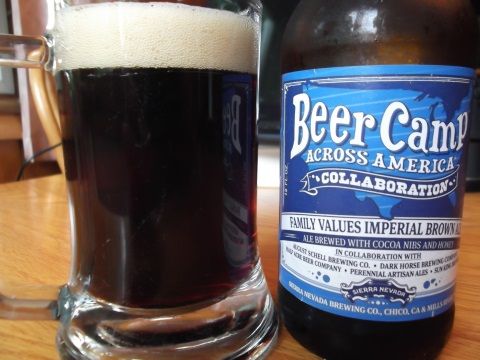
My glass was topped by a large tan head that lasted a fair while. The beer was a gorgeous deep mahogany hue and was clear so I was able to see a whole mess of bubbles inside.

A luscious sweet aroma emanated from my glass. Mainly it smelled like cherries to me but the sweetness was tinged with an earthy scent which I thought was the honey mingling with the wild rice. If this is indeed the case then that is one of my favorite new combinations. Those cocoa nibs shone through as well as wonderful dark chocolate. Dark, roasted malt scents rounded out the aroma.

Carbonation was firm but not fizzy leaving the oats to more or less have their way and make the beer rather smooth. Just enough to break up any malt stranglehold. Bitter chocolate and a plum-like malt sweetness went toe to toe at the fore of the flavor. I couldn't taste the honey, sadly enough, but the wild rice made for a tasty nutty flavor in the background.

Those malt flavors do a slow fade at the end allowing some fairly bitter herbal hops that were vaguely reminiscent of a herbal cough drop (Reeeeeeecolahhhhhhh!) to add a goodly dose of bitterness as well as make a dry finish. This being an imperial brew (8.5% A.B.V.) there was an alcohol burn that you could just not miss. Certainly no Everclear but the heat grew as the beer warmed and Ralph Wiggum might be forgiven for thinking it had purple berries in it.

I don't particularly care for the name "Family Values" as it sees to be a term loaded with twee Flyover Country-esque stereotypes of the Midwest but I certainly cannot complain about the liquid itself representing the part of the country I which I live. Those cocoa nibs add a simply wonderful dark chocolate flavor that is at once bitter yet rich. The oats give a nice smoothness which accommodates the fruity malt flavors and the nutty taste from the wild rice. That fruit-nut combination here is a sheer joy for the tongue.

Junk food pairing: This is a pretty big beer rich in a myriad of flavors and requires the culinary equivalent of a Brawny paper towel for maximum enjoyment. I recommend well-salted and peppered French fries with some kind of cheese food product sauce like Velveeta. Big and bold!

28 March, 2016

Sure to Please Beer and Goat Lovers Alike: Heirloom Bock by August Schell Brewing Co.


Spring is now upon us and there is no shortage of bocks in the stores these days. Back in January Schell Brewing next door in Minnesota released a bock sampler 12-pack which was sure to please both beer and goat lovers alike. The only place in Madison that I saw the packs was at Woodman's on the west side. I was quite happy to find it as I was disappointed that New Glarus had decided not to brew Cabin Fever this spring and I believe that they skipped over Back 40 last year too.

Legend has it that "bock" is a Bavarian corruption of Einbeck, a northern German city which developed a reputation for brewing fine biers back in the High Middle Ages that were dark and strong. Moving ahead a few hundred years to the Renaissance, Bavarian brewers in Munich were busying themselves with adopting the style. Eventually the southern brewers adapted the traditional bockbier to trendy new lagering techniques producing the bock that we know and enjoy today.

Bock is what Germans call a starkbier or strong beer. I'm not sure if this more of a brewing term or more of a taxing term. My understanding is that bier was taxed (is?) in Germany by strength. Regardless, bocks are generally 6-7% A.B.V. and there are stronger doppelbocks (these are where fasting monks come in) and even more potent eisbocks. I can't find anything indicating what the proto-bock brewed back when von Eschenbach was writing Parzival tasted like but the modern bock is a bastion of malty goodness with varying levels of hoppiness, depending on the type of bock you're drinking. Generally speaking, lighter-colored maibocks are hoppier than their darker cousins that abound in the depths of winter. And, also generally speaking, American brewers seem quite keen on making any kind of bock quite hoppy with plenty of New World greens.

Schell's 12-pronged celebration of winter includes four different bocks: their current bock available as a winter seasonal, a doppelbock, a bock made with from a pre-Prohibition formula, and Heirloom Bock that is brewed with wheat and spelt, which is also wheat. A few German brewers still brew dinkelbier with dinkel being an heirloom variety of spelt so this is yet another instance of Schell's "German craft beer" mantra in action.

I began with the Heirloom Bock for no particular reason and it poured a lovely deep amber color that was crystal clear. It was topped with about a goodly sized head of frothy tan foam that proved in no hurry to go anywhere. There were plenty of bubbles inside the glass going upwards.

The aroma was a nice mix of malty scents along with a small dose of hops. Sweeter smells came first with a bit of caramel followed by plum. Roasted grains came next. And buried in there amongst the wheat, the other wheat, and the barley was a dash of grassy hop.

From what I've read, spelt is best suited for baking because it is very high in protein – hence the nice head, I would imagine. In brewing the surfeit protein can lead to haziness. Furthermore spelt apparently has a more husk than your run of the mill modern wheat varieties and the husk is loaded with tannins. I can't think of another brew I've had that contains spelt so I wasn't sure what flavors I'd be getting from it. (Do cicerones get tested on spelt in beer?)

What I discovered was that the bier tasted a lot like it smelled. There was a bit of caramel along with roasted grain and – quelle surprise – wheat. I also tasted a slight sweetness that wasn't like caramel or toffee but also not fruity. Just a grainy sweetness. This bier had a nice smooth, medium body. It just felt good on the tongue. A hint of carbonation helped keep the sweetness in line with the more savory malt flavors.

For the finish, the hops stepped up with a grassy flavor accented by a little spiciness. They were moderately bitter and lent some dryness as well. My glass was left with some large sheets of Schaumhaftvermoegen. Wheat beers are always some of the prettiest.

Heirloom Bock is awash in malt flavors but the sweetness is kept at bay. Instead gentle waves of grainy goodness wash over your tongue. This is not to say that it is thin or watery – it isn't – but it's also not chewy. You know how Led Zeppelin was "tight but loose"? Heirloom Bock is full-bodied but nimble.

Junk food pairing: Grab a bag of Kettle Brand Cheddar Beer potato chips to go along with your Heirloom bock. In addition to being meta, they're tasty.

09 March, 2016

Hello Daddy, Hello Mom: Black Forest Cherry by August Schell Brewing Co.


I'm your Black Forest Cherry bomb

The fourth Noble Star Berliner Weisse is Black Forest Cherry. Just as Framboise Du Nord used 5,000 pounds of raspberries, so does this one use 5,000 pounds of the eponymous fruit. And just like I did with Framboise Du Nord, I thought of a New Glarus beer as I opened my Black Forest Cherry – Belgian Red. Two sour cherry beers, sure, but two rather different beers nonetheless.

A Schell's press release said the inspiration for this bier was the old German tradition of putting some cherry liquor into a Berliner Weisse. (I think they may have meant liqueur but that's not a big issue.) I'd never heard of this practice (no surprise there) and thought that the addition of cherry was simply to produce another bier flavored with traditional German fruits as opposed to kumquats or other tropical ones. On the other had, I wasn't surprised. I've read of Germans putting caraway flavored liquor into their bier (perhaps Schell will brew a caraway Noble Star) as well as northern Germans drinking bier with a shot of Korn which is basically vodka made from rye.

As the fourth release we've come to the summer of 2014, about a year after the first Noble Star. My bottle was filled in July 2014.

Black Forest Cherry pours an auburn hue with a little extra red in there. Unlike the last Noble Star, this bier was downright hazy. Again I was unable to generate any more than a small tan head that dissipated quickly. As expected, there were plenty of bubbles inside the bier moving on up.

I recently read a wine review in which the author claimed that a particular vino smelled like smoked quartz and slate to her. I'd never encountered such a fusion of olfactory prowess and geology previously. In addition there was washed rind cheese, fennel or perhaps celery, tarragon, apple, and white flowers. All of this in a single wine – and that's just the aroma.

This Sokal-eque review comes to mind because, when I took a sniff of my Black Forest Cherry, I didn't get a laundry list of aromas. Just two, in fact – lemony lacto and tart cherry. Regardless, it smelled wonderful despite lacking any igneous, sedimentary, or metamorphic scents.

My previous Noble Star went easy on the carbonation but that was not the case here. Black Forest Cherry is quite fizzy. The lactic acid sourness was big and bright and complemented well by the more blunt tartness of the cherries. In addition to their tartness, the cherries themselves were quite tasty with their almondy-clovey taste providing a nice counterpoint to the citrus flavor of the lactic acid. There was a mild woodiness from the aging tanks here too which went really nicely with the stone fruit.

Black Forest Cherry finished with the lactic sour and cherry tart lingering on the tongue.

Despite being rather tart and sour, the bier didn't come across as being very acidulous. Perhaps this is because of the large dose of cherry. My glass was left ohne Schaumhaftvermoegen.

What a lovely bier. It was dry overall with a goodly amount of sour and tart. I really enjoyed how the bacteria and fruit came together here. Again Schell has brewed a bier that isn't too anything – they really know how to give your tongue a good dose of sour without going overboard and how to add fruit without having it smother the bier. This is Jace Marti and company in the zone, at the top of their game, and whatever other sports phrase trips your trigger.

Junk food pairing: Wash down a Hostess Cherry Pie with your Black Forest Cherry. For a savory treat, grab a handful of Kettle Maple Bacon potato chips.

08 March, 2016

Please See If Her Green Neck Is Long: North Country Brünette by August Schell Brewing Co.


While I cannot recall exactly when and where I was introduced to the Berliner Weisse, it was certainly presented as a light, fizzy, sour wheat bier. A Berliner Weisse was yellow and somewhere from 3-4% A.B.V. or so the stylistic piety went. However, back in Germany in the 19th century you'd find breweries making them to various strengths including Märzen which was about 5.5%. I'd never heard of such a thing until a couple years ago when Schell introduced the third in its Noble Star series of Berliner Weisses, North Country Brünette.

As the name implies, the bier is not a bright, hazy yellow and it is 5.4% A.B.V. instead of 3.7% as the first couple Noble Stars were. My bottle was filled in March of 2014. I've had good luck with aging Berliner Weisses, intentional or not. I won't claim letting one sit in your basement for a couple years will yield a bier superior to one uncorked fresh from the store soon after release, but I've never been assaulted by bad flavors.

North Country Brünette pours a fairly dark auburn. It appeared to be clear which I took as a sign that there's less wheat in this bier. Maybe I need to learn to pour but I never seem to get a big head with these Noble Star brews. Here I got a small one that was off-white and, just like others, dissipated rather quickly. However, there was plenty of bubbles inside the bier going up the glass.

Taking a whiff, I got the usual lemony/citrusy lactic acid smell along with some subtle barnyard brettanomyces funk and some even more subtle hints of leather and perhaps cherry. I think the latter two scents were from the malt. Never having had a Märzen Berliner Weisse, I wasn't sure exactly what was typical for the aroma. Add to that the bier's age and I was clearly in terra incognita. Well, for me, anyway.

An insistent lemony lacto sour was first in the taste and its potency didn't diminish very much as I went along. Schell has, for my taste, really hit the sweet spot as far as making the Noble Stars sour. So far they've had a consistent level of sourness which is perfect for me. The Noble Star biers are aged in reconditioned cypress lagering tanks and I could really taste that here. It seems that the woody flavor gets lost when there's fruit involved. There was also a little brett funk which grew as the bier warmed. North Country Brünette tasted less fizzy than previous Noble Stars but I suspect that's due to its slightly heavier body.

I couldn't taste anything typically malty, if you will. The heavier body betrayed more grain but I didn't discern any caramel or roasted grain flavors. I thought it tasted fairly dry but not particularly acidic. The bier also had vinous flavor to it which reminded me of vermouth. I highly suspect this to be an off flavor due to age but it wasn't an unpleasant one as it went well with the woody notes.

North Country Brünette finished dry with some lingering lactic sourness and a touch of brett. Not a trace of Schaumhaftvermoegen.

This was quite a departure from the Berliner Weisse that I was used to and was akin to a sour brown ale. By the time I got to the bottom of the bottle I was tasting a lot more funk than I did in my first glass but still not a great amount. Schell hit another sweet spot for me. Moving away from light and light & fruity, North Country Brünette is replete with darker, earthier flavors than the previous Noble Stars I've had. I could have done with a bit less woody flavor but this is a minor quibble. As the third release in the series, it's a great diversion out into left field.

Junk food pairing: North Country Brünette goes well with blue cheese. Sadly, we are going to have to wait for the day when junk food makers will offer something that lets blue cheese stand alone instead of the mandatory mingling with Buffalo wing sauce dust. Until then try some Doritos Collisions Hot Wings and Blue Cheese where you can segregate the blue cheese chips from the spicy ones.

07 March, 2016

She drank a raspberry Berliner Weisse: Framboise Du Nord by August Schell Brewing Co.


The kind you find in a liquor store

Today I am going continue drinking my way through the Noble Star series of Berliner Weisses from Minnesota's venerable Schell Brewery. I began with Apparent Horizon the latest in the series as I type. Framboise Du Nord or "Raspberry of the North", is the second in the series but I'm getting all timey-wimey so it is next on the docket. My bottle was filled back in October 2013 and I am hoping it survived the past couple years in my cellar more or less intact.

Framboise Du Nord is 3.7% A.B.V. which I believe was the same strength as the initial brew in the series, a plain Berliner Weisse, and now considered average for the style although the bier has been historically brewed to a variety of strengths. The use of raspberries is an inspired choice. Not only are they very tasty but they are also one of the two common flavors of syrup traditionally put into Berliner Weisse with the other being woodruff. Schell boasts that 5,000 pounds of raspberries were used while the bier aged in the heritage cypress lagering tanks for a few months.

Framboise Du Nord comes in a lovely, well, raspberry red that has a slight brown tint to it. It was just a touch hazy. My initial pour produced a rather small pink head that went away quite quickly. As befitting a "champagne of the north", however, there were lots of bubbles in the bier making their way up.

As I was trying to take a decent enough photograph for this post I could smell the raspberries. Framboise Du Nord positively emanated clouds of fresh raspberry goodness. Underneath this was the expected lemony lacto tartness. The bier smelled like summer in a glass – it was absolutely wonderful.

For better or for worse, I've developed a habit of holding my first sip in my mouth so that it sits on my tongue as well as keeps at least part of the roof of my mouth covered. I think this really brings out the carbonation and made the first sip of Framboise Du Nord a big, bubbly, tart, in-your-face fruity explosion. I could feel the carbonation tingle while that lemony lacto sour melded with the tartness from the raspberries. The fruit here tasted fresh and juicy despite the bier's age and the lacto sour did not let up very much as I worked my way through the bottle.

As a Cheesehead it's difficult not to think of New Glarus' Raspberry Tart here. It too comes in a big green bottle, has a similar color to Framboise Du Nord, and they are both sour brews. But Raspberry Tart has a bit of sweetness that Framboise Du Nord does not. It's also a bit heavier than its neighbor from Minnesota too.

Framboise Du Nord finishes with raspberry tartness and lactic acid sourness lingering long after the your sip has found its home in your belly. As per usual with the Berliner Weisse, there was no Schaumhaftvermoegen to be had.

I drank this bier after coming in from shoveling snow and made fairly quick work of the bottle. Admittedly, there were a few sips that turned into thirst quenching gulps but I think I gave this bier a fair shot. And I loved it. It was light, fizzy, and bursted with the taste and smell of fresh raspberry. Plus it had a great mix of berry tartness and lacto sour which was big yet not overwhelming. It was dry and acidic but, again, not to an extreme. As it warmed, the bier revealed a little bit of that rode hard and put away wet brett funk but it accented rather than dominated the flavor.

Junk food pairing: If you have some Framboise Du Nord squirreled away, I recommend busting it open and eating some Crunchy Flamin' Hot Limón Cheetos.

29 February, 2016

A Singularity of Tastiness: Apparent Horizon by August Schell Brewing Company


Schell, whose motto is "German craft beer", is well-known for its selection of German bier styles that are familiar to craft beer drinkers – hefeweizen, pilsners, bocks, et al. Back in 2013 the venerable brewery jumped headlong into the sour trend with the Noble Star series, its take on the Berliner Weisse, a light, bubbly, tart wheat bier. The Berliner Weisse was extremely popular in its native city in the early 19th century but its popularity was on the wane a hundred years later as lagers were ascendant. A couple world wars, economic hardship, and Germany being riven in twain all led to the near extinction of the Berliner Weisse in the latter half of the 20th century.

As a couple German brewers kept the flame alive, American microbrewers discovered the style and have slowly but steadily resurrected the Berliner Weisse on these shores. Schell brewmaster Jace Marti has also resurrected a couple of cypress lagering tanks dating back to the mid-1930s for fermenting his takes on the style.

Although I have described the Berliner Weisse as being a light, bubbly, and tart – the "champagne of the North" according to Napoleon and/his soldiers – the style has changed over the centuries. The proportion of wheat to barley has changed over time, for example, and smoked wheat used to be standard. And the bier has been brewed to various strengths over the years. Today in Germany it is not uncommon for a Berliner Weisse to be served mit Schuss, a.k.a. - with a shot of fruit syrup, Himbeere (raspberry) or Waldmeister (woodruff). I've read that this practice started in the early 20th century but cannot find that website at the moment.

Today we have Schell's Apparent Horizon, a Berliner Weisse brewed with 35% of the grain bill given over to rye as well as lactobacillus bacteria and brettanomyces yeast, the latter known for the funky, "barnyard" aroma and flavors it produces. At 5.1% A.B.V. it is known as a vollbier or full beer in German, quite a bit higher than the more common 3.5-4%. The label says it was bottled in August 2015 and is, to best of knowledge, the latest bier in the Noble Star line.

Hopefully as the days grow longer and warmer my photographs will get better but, for now, all I can do is apologize. Apparent Horizon poured a lovely yellow gold and was slightly hazy. However, the bier got cloudier with each pour and it was quite turbid by the time I got to the bottom of the bottle. My initial pour produced a small white head but a second more aggressive one gave a larger one. It dissipated quickly just like champagne. And just like champagne there were veritable armies of bubbles inside the glass going upwards.

The bier's aroma had a fairly potent dose of that lemony lactic acid tartness. But there were also earthy, woody smells as well which came from the cypress tanks and the not insignificant amount of rye in the bier. Oddly enough, my nose also caught some sweetness which was more like honey than fruit.

My tongue could not help but notice all those bubbles that caught my eyes attention. Light and bubbly are two wholly appropriate words here. The wheat stood out as did the lemony lacto tartness. While some Berliner Weisses present the drinker with enough sourness to strip paint, Apparent Horizon was more temperate. You couldn't miss the tartness but was also moderate enough to allow a host of other flavors to come through including more subtle ones like the woodiness from those cypress tanks. There was some rye spiciness as well as a semi-sweet floral taste. Topping things off was a moderate wet blanket funk from the brettanomyces.

The finish had some lingering lemony tartness which, when it finally gave way, left my palate to enjoy a woody/floral afterglow. My glass was left ohne Schaumhaftvermoegen.

Apparent Horizon is the eighth entry in Schell's Noble Star series and Jace Marti is at the top of his game. This is a complex bier yet every flavor was in its place with none being overpowering. As a lover of rye in beer I was excited to drink this brew and was not disappointed. The rye was quite tasty and lent a little dryness. While the bier was tart, it was not overly so which meant that it was only mildly acidic. Again there's that moderation and balance at work. Besides the rye, I especially like the woody notes from the cypress tanks and that mysterious floral taste. They really pushed an already wonderful blend of grains, yeast, and bacteria over the top and made the bier even more complex yet retained a wholly approachable character.

Junk food pairing: I highly recommend pairing Apparent Horizon with some dill pickle potato chips.

21 December, 2015

The Beer Drank a Real Horrorshow: Fresh Hop Citra Pils by August Schell Brewing Company


It is a new tradition but a tradition nonetheless for Schell's Jace Marti to brew a single hop pilsner every autumn with freshly harvested hops. From what I've gleaned from the Interwebs, it appears that the practice began in 2012 when Marti brewed a Citra pils for the brewery's Stag Series, a line of limited edition brews. Apparently the experiment went well enough that Schell created a new series of biers called Fresh Hop the following year to continue the experiment. After Mosaic and Equinox hops getting the call the past couple of years, we are back to Citra hops for 2015.

Since the Fresh Hop biers are pilsners, they fit into Schell's "German Craft" ethos while also catering to hopheads who cannot get enough of newer American hop varieties. This year's bier was shipped out in October although I did not get my mitts on some until this month. This is partly due to Schell biers taking a while to arrive in Madison as well as my own laziness in going to Riley's which seems to be the only (or perhaps, closest) place in Madison that carries Fresh Hop. So, while my sample of this year's bounty may not be the freshest Fresh Hop ever, I still think I quaffed it in a reasonable time frame.


This year's Fresh Hop pours a lovely straw color and is quite clear. My pour produced a substantial creamy white head and there were oodles and oodles of bubbles inside making their way up from the bottom of my (pilsner) glass.

The Citra hop variety is relatively new having come onto the market in 2007. As the name implies it is known for citrus elements in its aroma and flavor. When I took a sniff of Fresh Hop, I found it rather lacking in citrus. It was there, but very restrained. I thought that floral and grass aromas dominated. The malt was also detected by my proboscis in the form of a crackery smell. Sehr gut!

Those grassy and floral aromas were also in the bier's taste. And as with the aroma, citrus notes were present but very much in the background. While the hop flavors were prominent, hop bitterness was not. The malt was mainly a cracker flavor but there was also a bit of bready sweetness that seemed to highlight the floral hop taste. As you'd expect from a pilsner, the overall taste was clean. Carbonation added some sparkle and dryness.

For the finish the hops lost their floral quality and the grassy taste was joined by some spicy hoppiness. There was also more bitterness here which made for a nice dry ending. My pilsner glass was teeming with Schaumhaftvermoegen and was lined with lots of thick webbing. Gorgeous. This aftermath made it look like I did some work or some such thing.

One nice thing about Fresh Hop (and other similar beers) is that you get an intimate experience with a single hop. Granted, this bier was lagered for about a month so it is definitely a different gustatory experience than a Citra-hopped IPA right out of the barrel. Still, you also get a very different experience from your normal Nobly-hopped pils.

And my experience was quite positive. I love the Fresh Hop series! Brewed as a more restrained German pils as opposed to the more robust Czech version, you get a nice clean maltiness with hops that demand your attention but don't threaten to overwhelm. This bier has a light, bubbly body that allows the Citra hop flavor to shine. And I did like the Citra. I really enjoyed the floral flavor yet also how the finish was traditional pils territory with a more Noble set of flavors and customary dryness.

Junk food pairing: German pilsners are rather delicate – not frail! – biers and they should be paired with lighter fare. Try some Vegetable Thins crackers dipped in Cheez Whiz sauce or topped with the American cheese flavored Easy Cheese.

05 November, 2015

Roll Out the Barrel: Stag #9 by August Schell Brewing Company


I'll say right up front that I have a lot of respect for August Schell Brewing Company. While I don't think every beer they brew is fantastic, I highly appreciate their willingness to stick to their guns. It is said that you dance with the one that brung ya and after 150 or so years of German-influenced brewing tradition Schell hasn't abandoned it in order to be able to slap "IPA" onto bottles, have a line of lambics, or have an excuse to throw a release party for a bourbon barrel aged imperial stout called something like Tyr or Fimbulwinter or Loki's Pride.

Instead they adopted the slogan "German Craft Beer" and meld Teutonic tradition with contemporary tastes. The Noble Star series delves into the sour world of the Berliner Weisse with a variety of takes on the style; hopheads get the Fresh Hop series – a pilsner each autumn that is brewed with a single variety of freshly picked hops; they also got Arminius last year, a hoppy lager (it didn't do very well as was discontinued); and earlier this year the ninth entry in the limited release Stag Series was a barrel-aged lager.

Stag #9 is a dark lager that was aged in American whiskey barrels which sat for a prolonged period of time in the brewery's original lagering caves.

The beer pours a deep, deep mahogany. So deep, in fact, that it appears jet. It's the kind of beer you'd expect to be expelled from non-Euclidian taps at the taverns of R'lyeh. Holding my glass up to the light and craning my neck, I caught a shallow spot in the glass and found the beer to be clear. My pour produced a good two fingers of dense, frothy foam. I tried as best I could to check out the effervescence beneath the head but failed.

As has always been my experience with barrel-aged beers (does anyone else remember the barrel-aged Night Train that O'so poured at Jan's Friendly during the very first Madison Craft Beer Week? Gott im Himmel! That stuff could fell a horse.), I smell the booze first and Stag #9 was no different. It had a moderate whiskey aroma that was kind enough to let some of the dunkles come through. Ergo I also caught the scent of roasted malt as well which was like coffee. I suppose this shouldn't have been a surprise as the beer is a mere 7.7% A.B.V.

That whiskey came through in the taste as well. But again, it was moderated by the grainy tastes which gave coffee and dark chocolate flavors as well as something nutty/woody underneath. There was a distinct bitterness from the dark grain too, as with a porter. Dark lager is perhaps a better descriptor for this than dunkles as those German brews generally don't have that bitterness. The beer had a medium body and was rather smooth although the carbonation could also be tasted.

As the whiskey and grain flavors receded, a dry finish was revealed with carbonation, the bitter grain flavor, and a touch of herbal hops all conspiring together. I also caught a little bit of heat from the booze. There were sheets of Schaumhaftvermoegen to be seen all around my chalice.

The dark lager/dunkles is one of my favorite beer styles because it highlights the earthy, Maillard reactiony side of roasted malt flavor rather than the sweeter, toffee tastes of caramelization. Coffee and dark chocolate flavors are in abundance here but also present is a rather sharp, burnt malt bitterness. (Black Patent malt, perhaps?) I enjoyed how the various malt flavors and the whiskey were all in harmony with none overcoming the others. As I noted above, Stag #9 is 7.7% A.B.V. so this is not a rich, viscous imperial stout that pours like motor oil. Being a lager, it is clean and more reserved, in a sense. Too much whiskey could easily have crowded out the malt. Still, Stag #9 has some big, bold flavors and I thoroughly enjoyed this re-working of a favorite style.

Junk food pairing: If you have any Stag #9 then drink it sooner rather than later. (Whole Foods in Madison had six packs for $7.99 recently – a steal.) And when you do drink it, pair it with the bold flavors of Snyder's of Hanover's Pumpernickel & Onion pretzels with a potent brown senf to assert the food's presence. Your tongue will be overloaded with heady, roasted grain goodness.

13 August, 2015

Some Pre-Great Tasting

The day before the Great Taste of the Midwest I stopped in at Buck and Badger as Schell Brewing was to be featured as was St. Francis Brewing. I was hoping to try some Schell's Starkeller Peach, a peach-laced Berliner Weisse, and their One Five Five, a red lager brewed in honor of the brewer's 155th anniversary. If Arminius, their hoppy lager, was available, then all the better.

From what I can tell, Starkeller Peach sold out within about two hours after arriving in Madison. I was quite surprised by this as the previous Noble Star brews were around for a while after hitting shelves here. Apparently people got all fired up over the presence of peach and – BAM! – they snagged up every bottle before I knew it. The succeeding release in the series, Cypress Blanc, was still on store shelves last time I checked. This bodes well for me as long as there's no peach in the next release.

The Great Taste's stellar reputation rests, in part, on the fact that they require brewers to attend and represent their beer. While this is good and pure, I've rarely had time to chat with brewers at the Great Taste for very long. There's usually a thirsty horde behind me seeking suds. That's what makes these events the day before so nice. You can corner a brewmaster and have an honest chat of, if you're lucky, a few minutes. Brewmaster Jace Marti was at Buck and Badger last Friday and I borrowed his ear for a while, I can tell you.

I began by asking him about Schell rebranding itself as "German craft". I have speculated here that it had to do with the Brewers Association declaring Schell to be "crafty" and not craft because of the use of adjuncts in Grain Belt. Marti confirmed this. But he also said that Schell takes their German heritage seriously. They seem intent on differentiating themselves in the microbrew world by exploiting and innovating German brewing traditions rather than going all IPA all the time.

While I'd hoped to taste Arminius, an extra hoppy lager, there was none to be had. In fact, I don't recall ever having seen it here in Madison. Marti or his cohort told me that it had been discontinued. It never caught on, they believe, for marketing reasons. On the bright side, they brought Starkeller Peach.


I guess you could describe it as an imperial Berliner Weisse aged with peaches. (Truth be told, I didn't know it was 7%+ A.B.V. until I looked it up just now.) It was full of sour peachy goodness and I poured myself multiple samples. There were also bottles of Cypress Blanc, a Berliner Weisse/American pale lager hybrid with brettanymyces and hopped with Hallertau Blanc hops. It was potent too at 7.4% A.B.V. (No wonder I was so hungover the next day.) This was light, tart, and oddly fruity for not having been aged with fruit. Good stuff.

Marti told me that the next Noble Star release is going to be called Apparent Horizon, a rye Berliner Weisse. Rye is for me what peach is for the Madison Beer Advocate crowd so I'm really looking forward to this. I politely asked Marti to bring back Emerald Rye and told him that I adored Chimney Sweep, a rauch dunkles. Marti revealed that he'd lived just outside of Bamberg, Germany, home of the rauchbier, for a couple years and he recalled wander into town when he had time for some fine smoke beer. This provoked an instant mancrush on my part. I turned green with envy. Marti expressed a preference for Spezial over Schlenkerla and also noted that rauchbiers tend to get smokier over time. I.e. - they are much less smoky when you're in Bamberg drinking them fresh from the barrel as opposed to opening the bottles you get at the store.

Jace Marti was a swell guy and I recommend chatting him up if you get the chance. You could hear the love he has for his job as he described the restoration of the cypress aging barrels Schell uses for the Noble Star beers. He was quite proud of the beers he made and of working within the German brewing traditions that have informed Schell since the brewery was established in 1860.

At some point I stopped pestering Jace Marti and joined my friends. Sadly there was no One Five Five on tap but I did try Schell's Cave Aged Barrel-Aged Lager which is a dunkles aged in whisky barrels. It was outstanding. A fairly big beer at 7.7% A.B.V. but not a leviathan with flammable fumes emanating from your glass. The roasted malts melded with the whiskey instead of being overpowered by them.

Also present was St. Francis Brewing. I have a bottle of Lust, their weissbier, at home waiting for me. Beyond this, I have to admit I've never tasted their beer. But they brought some of their brand new lemongrass Berliner Weisse with them. Here it is being tapped.


O'zapft is!

I chatted for a bit with a brewery rep who was also a certified cicerone. A charming fellow who gave me the skinny on St. Francis and their beers. The Berliner Weisse was the brewery's first attempt at the style. Unfortunately, champagne of the North it wasn't. It was woefully undercarbonated which made me wonder why they'd brought it. On the other hand, it was light and refreshing and I could certainly see this being a great summer brew with proper carbonation.

From Buck and Badger it was off to The Capital Tap Haus where the Capital crew would be offering various and sundry brews made especially for this pre-GTMW party. Sadly, none of my photos from the Tap Haus were in focus. There was a rye pilsner on offer which was tasty despite not having been lagered long enough. The chocolate peanut butter stout was also tasty. Just enough peanut flavor. I also got a glass of Vacation Request, a rye ale that is hopped with Lemondrop hops, a new variety. This beer is going to be bottled so look for bombers soon. It was tasty. The rye spiciness was moderate but noticeable. It was light and refreshing. Not too hoppy. Balanced.

My former co-worker Doug, he of OverServed fame, was there. I got to chat with him for a spell which was nice because I hadn't done so since I started my new job. He is good friends with Ashley Kinart, Capital's brewmaster, and so I got a chance to speak with her for a while as well. I opined that the rye pilsner should be an annual. Of course I pleaded with her for a rauchbier. While one is not forthcoming, she did suggest a tour of the Weyermann malt factory in Bamberg and she thought it was a cool experience. So that's on my bucket list now.

My friends and I stopped at the Caribou for a nightcap. It had been years since I'd been there. The jukebox was one of those fancy touchscreen deals and the taps had changed too. And there was no Ruthie. (Does anyone know if she's still around?) But really, The Bou was basically the same as it ever was. I do believe that we had Central Waters Summarillo which was quite tasty for a beer with "India" in its style's name.
24 July, 2015

The Beer I Should Have Reviewed Last Autumn: Schell's Fresh Hop Equinox (2014)


Schell began billing itself as a "German craft" brewer last year. I've never encountered an explanation for the rebranding effort but I've always assumed it was partly a response to the Brewers Association declaring that Schell was crafty but not a craft brewery a bit more than a year before. I also assume that Schell was trying to stake out its own territory and differentiate itself from the hordes of craft brewers out there who pump out IPAs of various colors and strengths as if they were desperately attempting to resurrect a defunct style.

This is certainly not to say that Schell is incognizant of trends. With millions of ironically mustachioed men out there gleefully calculating on their iPhones just how many moles of humulone are in a bottle of 3 Floyds Alpha King, the fetish for hops just cannot be ignored. Bowing (perhaps) to the tyranny of the minority and, I would imagine, a desire to give new ingredients a try, Schell developed the Fresh Hop series. Fresh Hop beers are pilsners brewed to showcase a particular variety of hop with the cones entering the brew kettle no more than 48 hours after they've been harvested. To date newer varieties of hops have been utilized. The initial Fresh Hop came out in 2012 and featured Citra hops with Mosaic being featured the following year. Last year's batch put Equinox hops into the spotlight.

I was unable to find out exactly when Equinox was first grown but it was given its moniker only last year when it was decided by the hoppy powers on high that "HBC 366" was not a particularly sexy name. Having read about it a bit, it seems that Equinox is like the Swiss Army knife of hops – it adds aromas and flavors that are fruity, citrusy, floral, and herbal – basically every olfactory/gustatory quality a hop can have. Well, until an entrepreneurial farmer crosses the venerable hop with a corpse flower.

Fresh Hop Equinox, as you can see from my slightly out of focus photo, pours a brilliant straw color. It is as clear as a pilsner can be. My pour resulted in a fine pillowy white head that lasted almost the livelong session. (Not sure if this is because I drank quickly or if the head lasted a long time.) Fresh Hop was an effervescent brew with lots of bubbles making their way up the glass.

Perhaps it was because my Fresh Hop wasn't particularly fresh – not that it was very old either – but my nose didn't catch everything and the kitchen sink like I expected after reading about these Equinox hops. Descriptions made it sound like I'd take one whiff and be overwhelmed by a bouquet that included notes of every tropical fruit known to man. That did not happen. I did, however, catch a bright citrus scent as well as a mellower grassy one which I felt was a rather nice combination. All of these were present in the taste. But wait! There's more!

The citrus scent became more focused and made me think of orange, more specifically, mandarin orange according to my notes. I really enjoyed the floral notes that were present here too. Schell does a good job with pilsners, to my taste, as they capture very well the biscuit kind of flavors I prize so highly. No exception here. There was also a mild and slightly sweeter malt flavor here as well – think graham crackers. The carbonation added a bit of dryness. Fresh Hop finished as you'd expect a pilsner hopped with a Nobler variety like Saaz to finish – dry with a good dose of spicy/grassy hoppiness.

My glass had minimal Schaumhaftvermoegen as the foam quickly slid down the side of the glass and into the waiting arms of the beer.

Jace Marti and the folks at Schell have done a great job here with Fresh Hop. It's medium light body and rather modest (by U.S. standards, anyway) 5% A.B.V. make it suitable for having more than one in a session but so does the array of inviting flavors here. Being a lager, the malt component is clean leaving the Equinox hops to take center stage. They offer grass and citrus in the nose and then add those plus floral notes on the tongue. For the finish they mimic a Noble hop with a bit of spiciness. Fresh Hop marries Old World subtlety with New World brashness for a brew that is at once quite approachable yet also unpredictable.

Junk food pairing: if you still have any Fresh Hop drink it now before the 2015 hop crop is reaped. And do so with a handful of Blue Diamond Wasabi & Soy Sauce almonds. Fresh Hop's finish will complement the wasabi while the myriad of other flavors in the beer will both accentuate and contrast with these little umami bombs. It's like a party in your mouth.

26 August, 2013

You Don't Brew a Radler

Earlier this summer I read that Schell was going to be releasing a grapefruit radler. Well, it finally came out but I haven't tried it yet because it's not a radler. It was very disappointing to read that it has 4.6% ABV and basically followed Leinenkugel, Sam Adams, et al. To paraphrase a friend of mine, you don't brew a radler in the same way that you don't distill an Old Fashioned. You mix a radler. Schell's “radler” isn't even what I would consider a session beer. What gives? Don't get me wrong, Schell makes some very fine beer. Indeed, bottles of their brew have been adorning my refrigerator all summer. But their “radler” is a fail.

Since it turned into summer again, I bought me some radler fixins this past weekend.


To be honest, I prefer Capital Lake House for my radlers but Jenifer Street Market had none. (?!) So I went with the next best thing. About 50/50 with the Totally Naked (but 60% soda and 40% Lake House). Grown Up Soda is some fine soda. More tartness and less sweetness.

Good stuff, Maynard.

06 August, 2013

Schell's Schmaltz's Alt: The Mud Ducks Strike Again


Notice the proper glassware in the photo.

The altbier hails from the Rhineland and is most closely associated with Düsseldorf these days. It's not a particularly popular style in the United States and, from what I've read, it's considered something of a regional specialty in Germany. The altbier is an Obergäriges Lagerbier, a top-fermenting lager beer. I've read that the altbier is a descendant of various medieval brews which I've come to regard as true but such a broad statement as to be meaningless. Like the koelsch, the alt is the product of a Reinheitsgebot but not the one in Bavaria that everyone is familiar with. This one in the Rhineland forbade the brewing of bottom-fermenting bier. My guess is that, as lagering became more and more popular, laws were enacted to protect the established breweries that didn't lager their bier. This is pure speculation on my part. But lagering was trendy and the brewers in the region split the difference.

Truth be told, I've never had an altbier from Germany. The Malt House occasionally gets a barrel of Uerige but it seems that every time they do, I am either busy, too lazy, or simply forget that they have it. I have tasted a handful of American iterations of the style and it seems that American craft brewers consider the style to be an ale and skip or skimp on the whole lagering process. Thusly a lot of the fruity flavors formed during fermentation remain.

I have recently become enamored of Schell's beers and figured that I'd give their alt a go.

Schmaltz's Alt pours a deep copper. You can see this if you hold your glass to a light. Otherwise it appears a very dark brown, almost black. I got a nice foamy head that stuck around for a while. I was rather disappointed in the distinct lack of Schaumhaftvermoegen. It just slid down the side of the glass. There is a moderate amount of bubbles in the beer. The aroma leans heavily towards caramel but my nose caught toasted grain as well.

The caramel and toasted grain carry forward into the flavor where they are joined by a fruity, plum-like taste as well as that of more heavily roasted grains that give a slight coffee flavor. There are no fruity esters to be had here. Schmaltz's has a nice malty flavor with the caramel being most prominent. While the taste leaned towards sweetness, it was never cloying and had a medium mouthfeel. Some balance is provided by noble hops. I say "some balance" because the hops are a bit faint. You can certainly taste them but they are relegated to the background for the most part. My understanding is that altbiers are generally hopped like a Bohemian pilsner whereas Schmaltz's has much fewer IBUs. But there is no doubt variation in hopping in Düsseldorf so it's probably not fair to say that Schell's take on the style is way off base. It finished with a spicy dryness courtesy of the hops.

While a bit more hops would have been nice, this is a fine bier. (Metropolitan's Iron Works Alt is a good example of malt-hop balance.) The malt takes center stage here but it isn't cloying like most domestic alts I've had. The Schell's website say it's 5.1% ABV which I believe is just a smidgeon above the stuff you get in the Rhineland but the hop dryness and aging have made this stuff eminently quaffable.

Junk food pairing: Schmaltz's Alt pairs well with warm soft pretzels lathered with bacon-horseradish dip.

30 April, 2013

Good Luck With a Schornsteinfeger: Schell's Chimney Sweep

I tend to think of Schell's as the Leinenkugel's or Point of Minnesota. A regional brewery that's been around since the mid-19th century and produces craft-lite brews. When I say "craft-lite" I mean they brew much less beer than Miller-Coors and styles beyond American pale lagers which are, to my taste, watery. It's like they try to sit on the fence by brewing something that has a good flavor but not a whole lot of it lest they offend the palates of people who think Grain Belt full-on gustatory assault. I think that this impression was fostered by having read reviews and by sampling the odd beer of theirs at the Great Taste of the Midwest. But recently I've read more about them and became intrigued. So I thought I'd give some of their beers a try and give Schell's a chance to set things right with my palate. The Gose-inspired Goosetown was disappointing in that it deviated from style greatly but was eminently drinkable. Next up is Chimney Sweep.


Chimney Sweep, the brewery's winter seasonal, is a dunkles rauch (or is it a schwarzbier?) - a dark lager with some smoked malt in the grain bill. I love dark lagers. I love rauchbiers. I had to try this stuff.

It's a lovely beer with a deep reddish brown color. If you look at it in the narrow part of a glass, it appears clear and you can see that the carbonation is high. My glass got a big head but some of that is surely due to my hasty pour. (I was thirsty.) I also got some nice Schaumhaftvermoegen.

When I took a whiff I immediately smelled a honey-like sweetness. Considering that caramel popcorn was being made at the time, I am unsure how much of the aroma was from the beer and how much came from the oven. There was also that wonderful, magical smell of roasted grain which makes the dunkles the beer style of champions.

The taste of Chimney Sweep is the aroma inverted. With a medium mouthfeel, the roasted barley's coffee overtones were highlighted, though the lighter malts were present as well and, to my delight, this was no watered-down dunkles. The flavor was full and clean as a good lager should be. Underneath this was some smokiness as promised. It complemented the malt very well instead of competing for domination. If you're familiar with Karben4's Nightcall porter, then I'd say the smoke flavor here is about 50% more than in that brew. While more distinctive in Chimney Sweep, we are still nowhere near Schlenkerla territory. It simply added a little smoky sweetness to balance the slightly bitter roasted goodness. As the end of my sip neared, I could taste a hint of a plum sweetness which I find to be more prominent in Hofbräu Dunkel and, I find, makes that bier highly distinctive (and incredibly tasty). The finish is on the dry side and some mild hop bitterness comes through here as well.

I was really taken by surprise by how good Chimney Sweep was. It is a clean balancing act of darker malts, lighter bread-like malts, smoke, some fruity sweetness, and hop bitterness. It's 5.2% ABV which means you can enjoy a few at a session. A great beer.

Junk food pairing: Chimney Sweep goes well with Old Dutch Onion & Garlic potato chips.

24 April, 2013

Goosetown: The Gose That Isn't


I was excited to hear that Schell was going to be brewing a Gose called Goosetown as a summer seasonal. The Gose is a top-fermenting sour wheat bier flavored with coriander and salt. It was first brewed nearly 300 years ago in the northern German town of Goslar. The bier became quite popular in Leipzig and it became a center of Gose brewing. The style went into decline after World War I and the next great conflict put an end to Gose production. Its revival went in fits and spurts until the 1990s when it was again pulled back from the edge of extinction. There are a handful of German brewers who brew Gose so it's not exactly a popular style but since even I can get my hands on a Gose brewed in Germany, it seems to be doing OK. For a more detailed history of Gose check out Ron Pattinson's blog entry on the subject from which I cribbed this information.

My experience with the style is limited. In addition to the above Leipziger Gose, I've had a couple versions at the Great Taste (I believe one was from Gordon Biersch) which were unimpressive, Sam Adams' Verloren, which I hope to review soon, and Widmer Brothers' Marionberry Hibiscus Gose which I had on tap last summer at Dexter's. That stuff was very good, in my humble opinion. Sadly, its presence here in Madison went virtually unnoticed. So how did the folks at Schell do?

My photo this time is slightly better. Goosetown pours a brilliant straw color and is very clear. I got a nice foamy head but it disappeared fairly quickly. There were bubbles galore in my glass but little in the way of Schaumhaftvermoegen. My stuffy nose caught the coriander in the aroma and a hint of malt sweetness.

I have to admit my surprise when I took a sip and tasted a fine cracker-like grain flavor which was crisp and smooth. The stuff was lagered?! It didn't take long for a mild but very pleasing wave of coriander to appear along with a similar sortie of salt. On top of all this was a vague lemony zing. The mouthfeel is light and pleasant. Some herbal/spicy hops were apparent in the finish which, along with the carbonation, made it moderately dry. As the bier got warmer, the salt noticeably carried into the finish.

Very odd. Very odd indeed. They lagered it. That's the first deviation from tradition. The second was that Goosetown wasn't very tart. I don't know what units are used to measure tartness but Goosetown probably has a few micro bits of it. Historically speaking, the Gose is supposed to be a mouth-puckeringly tart bier from lactic acid but Goosetown is not. Leipziger Gose is not particularly tart yet it exceeds Goosetown in this department by orders of magnitude. I wasn't expecting to look like Homer Simpson after he ate the 77X42 at the Springfield Candy Convention, but I was rather hoping for a bier that at least tasted like there was some lactic acid within a few miles of the brewery when it was made. Instead, Goosetown tastes like a good pale lager or Kölsch that has had coriander and salt added to it.

Schell describes Goosetown as being their "interpretation of a traditional, German-style Gose" and they are arguably pushing the definition of the word "interpretation" to its limit. It's not so much an interpretation, in my book, as it is a hybrid which borrows liberally from the Gose but left out one of the best parts.

So Goosetown bears only a vague resemblance to the Gose but I really like this stuff and will be drinking more of it if summer ever arrives. It is very refreshing, not too big at 5.2% ABV, and it simply tastes good. The coriander and salt are subdued but have enough presence to make for a unique and very pleasing flavor.

Junk food pairing: Pair Goosetown with SuperPretzel SoftStix.